A TALE OF TWO SOUTHERNDOWN HOTELS
Southerndown is well-known as the location of Dunraven Castle, which was demolished in 1963. Only a few features such as the ice house, restored walled garden, gatehouse and separate laundry remain.
Less familiar are the two large hotels which once catered for visitors, presumably there for the bracing sea air, sheltered bay and cliff top walks.
From the mid-nineteenth century onward, Southerndown had been a popular holiday destination and there had once been a possibility of it becoming a resort town. A copy of “Slater’s Directory” (date unknown) shows entries for two hotels and eight lodging house keepers. The development as a resort, however, was limited by the absence of a railway connection. From at least 1890, a horse-drawn carriage service had operated between Bridgend railway station and Southerndown.
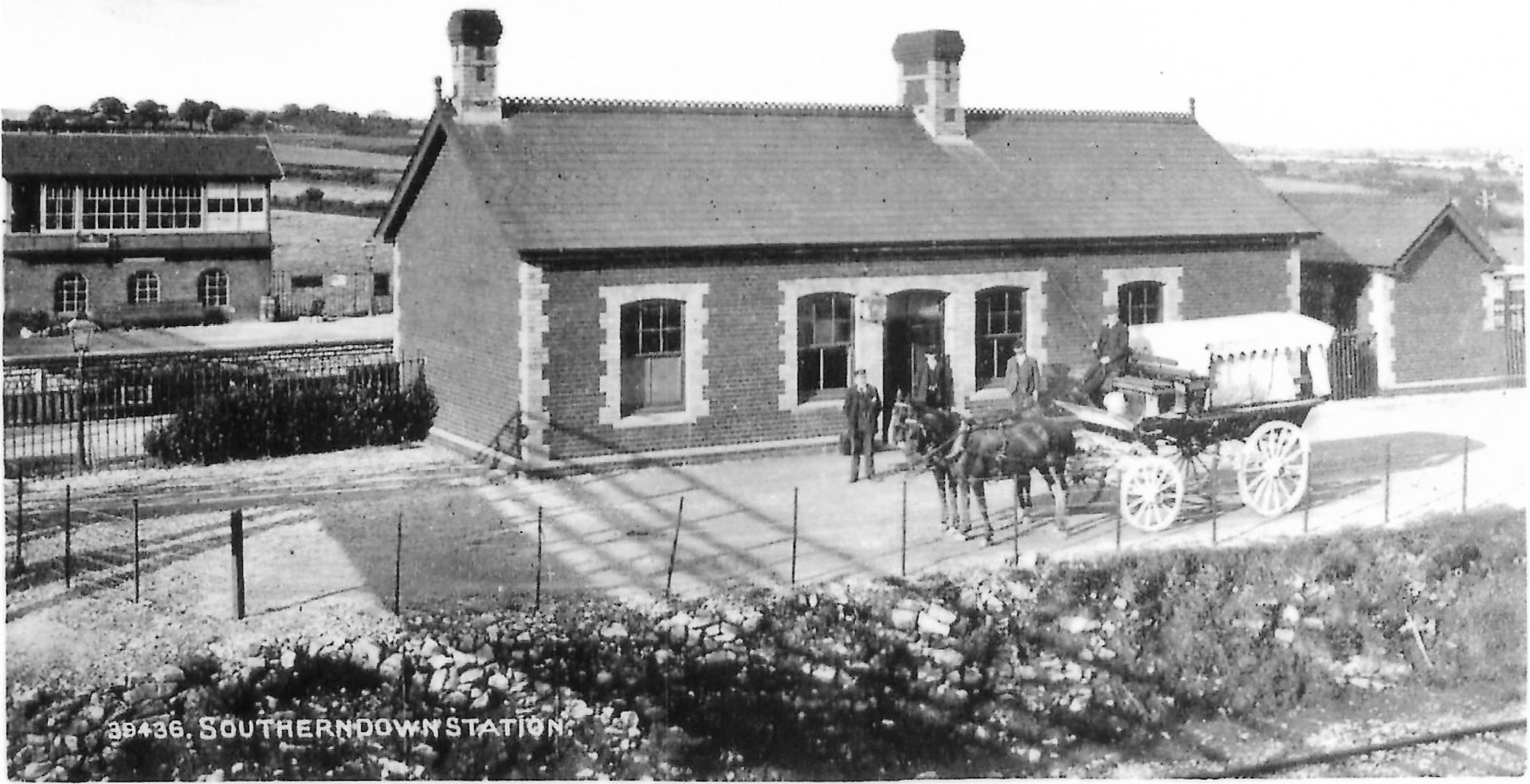
Southerndown Road Station at Castle-upon-Alun was opened in 1897, but was not located in the village and had almost no nearby habitation. It had been built with hopes of a branch line to Southerndown itself being constructed, but this never happened.
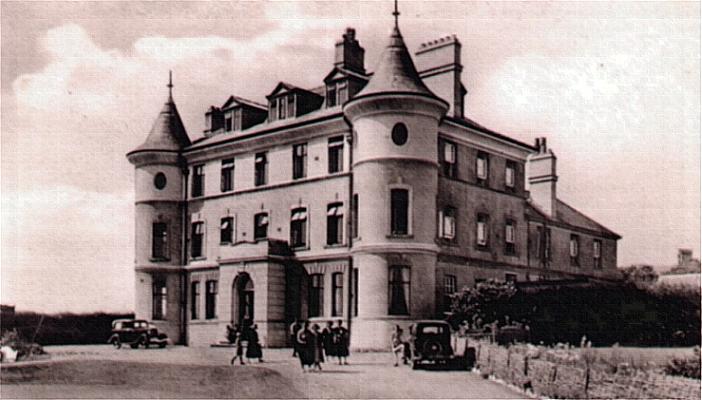
The Dunraven Hotel (which, it appears, may previously have been known as the Dunraven Arms Hotel, then the Southerndown Hotel) was originally a low, thatched building.
This was demolished and rebuilt in 1890, in the style of a chateau or castle with accommodation on three floors with an attic above, to cater for a high class of visitor. (Perhaps some were guests of the Castle who were not being given overnight accommodation.)
The hotel provided a horse-drawn carriage service to and from Southerndown Road Station (and, presumably, before that was operational, to and from Bridgend). Motor buses were introduced to the area in 1915 by Thomas Rowe. The railway station closed in 1961.
The hotel became a Miners' Convalescent Home and then, during the Second World War, it housed evacuees from London.

On 5th June 1948, the Wales Council for the Blind opened the premises as “Southerndown Home for the Blind and Elderly”, originally offering holidays for people with visual impairment. An active Comforts Committee raised funds to ensure residents were entertained while staying there. The building was vacated in 2009 and the residents transferred to new premises in Bridgend.
The home has remained boarded up for years, but was sold in 2018 for £740,000.
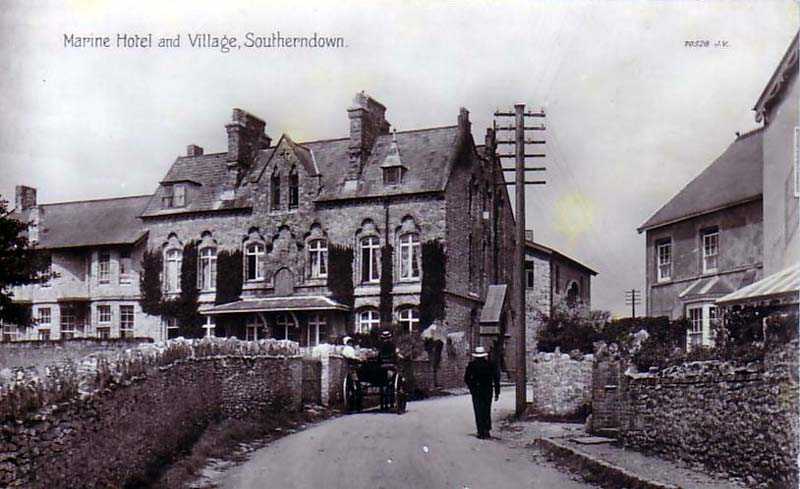
The second substantial hotel at Southerndown, overlooking the Bristol Channel and Somerset Coast, was the Marine Hotel. This was constructed in 1852-3 for £1,339, in Gothic-revival in style, comprising seven bays, and is of two storeys with an attic.
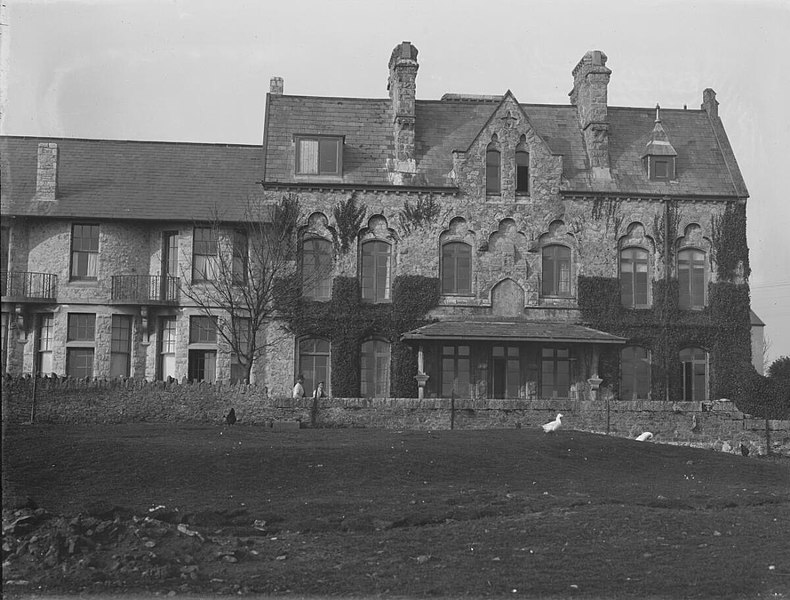
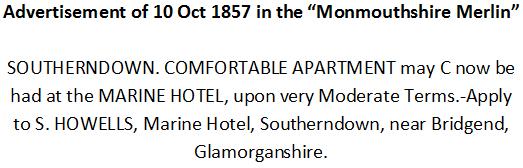
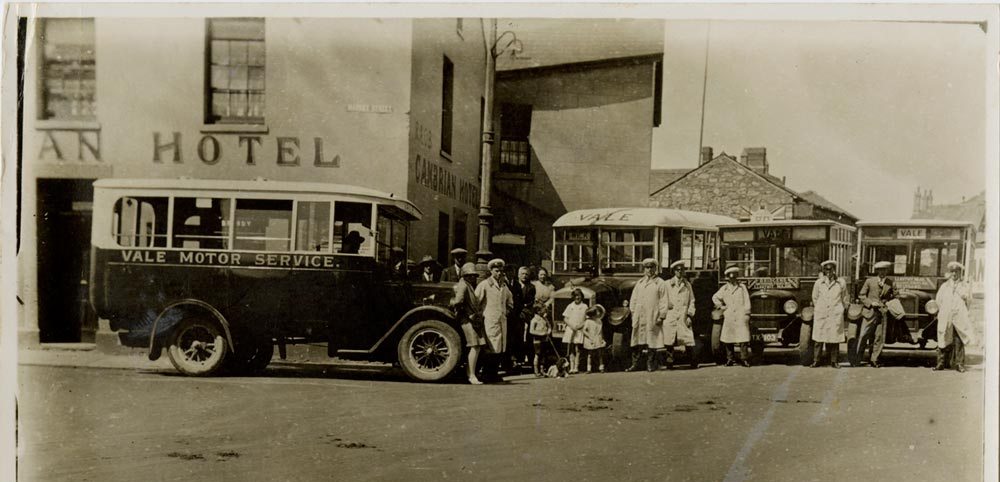
Samuel Howells was connected with the hotel in the second half of the century; he was named in a newspaper advertisement of 1857, listed as proprietor in a business directory and was still resident there in 1879 when his son Richard (see “Postscript”) married Catherine Roberts, daughter of William Roberts of the Cambrian Inn, Bridgend.
The Marine hotel was run, if not owned, by Richard Thomas Davies towards the end of the 19th Century (1892-1895).
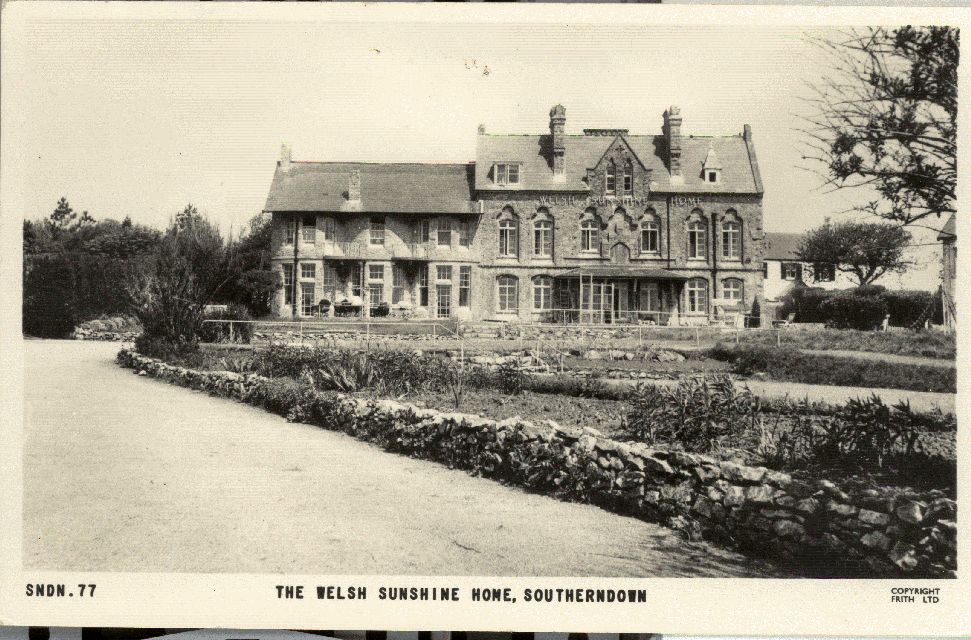
In 1954, the building was opened by Princess Margaret as the “Sunshine Home for Blind Babies”, with financial backing from the Tenovus charity. The event was recorded by “Pathé News”.
Link to YouTube Pathe News item
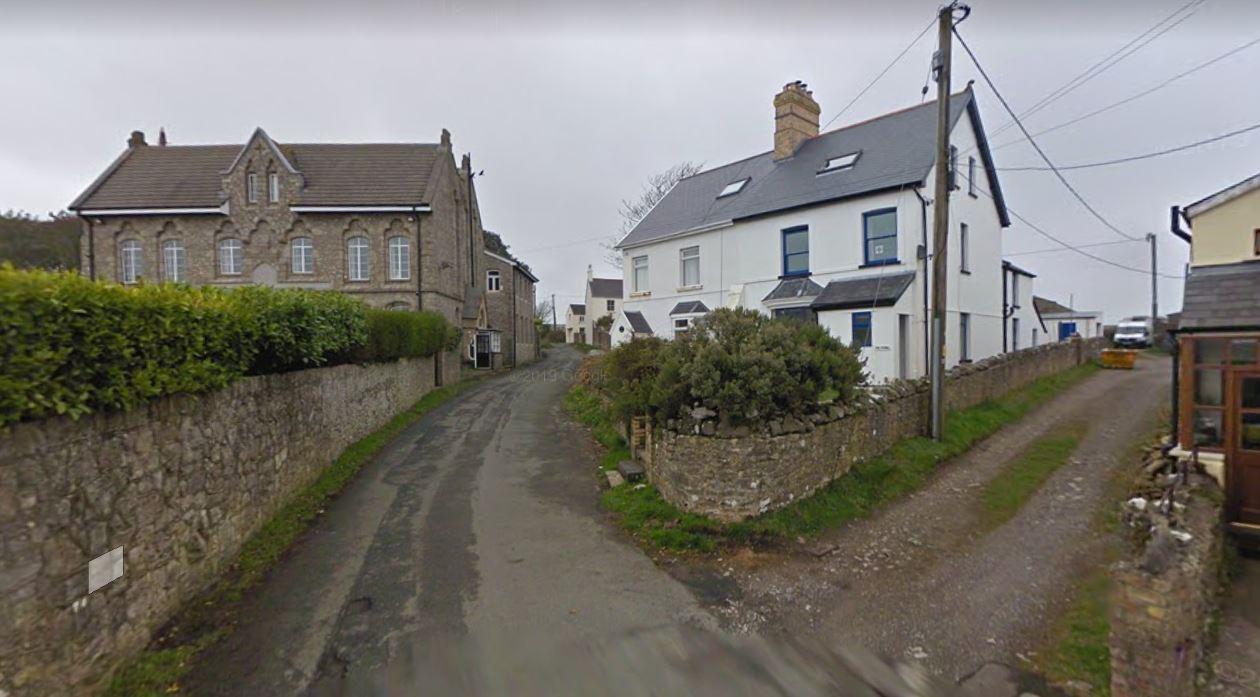
The Home closed down in the 1970s and was subsequently sold. It was tastefully restored and became a private dwelling.
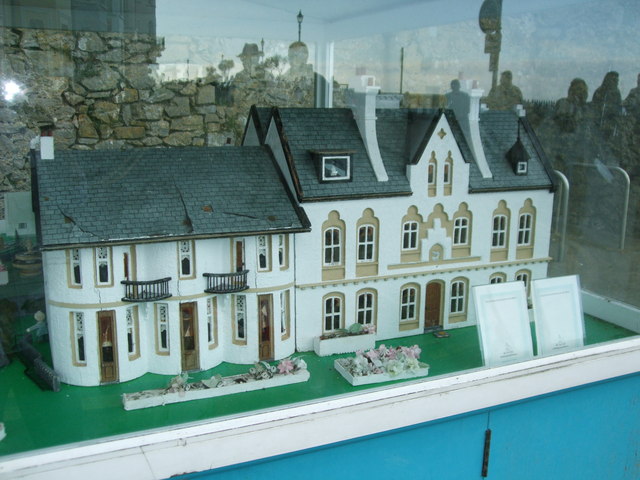
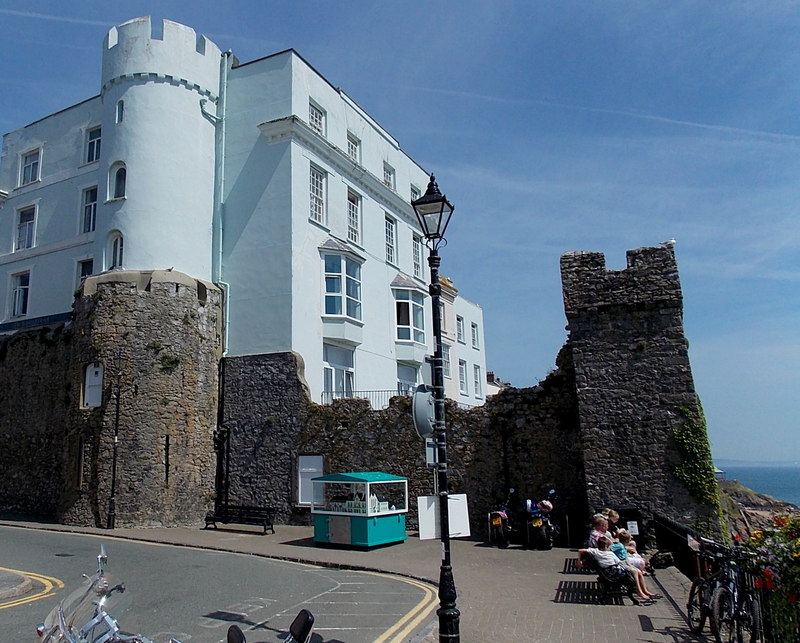
In Tenby, a large, iconic RNIB collection box, which displayed a model of the Southerndown Sunshine Home, was located on the end of the town’s Esplanade for many years. In 2012, The Rotary Club of Tenby facilitated major restoration work of the box prior to its return to the original site.

Steve Monaghan
POSTSCRIPT
In 1892, at the age of only 40 years, Richard Howells died of suffocation in his bed in the Cambrian Inn, Bridgend, where he was the manager, the hotel being owned by his father-in-law, William Roberts.
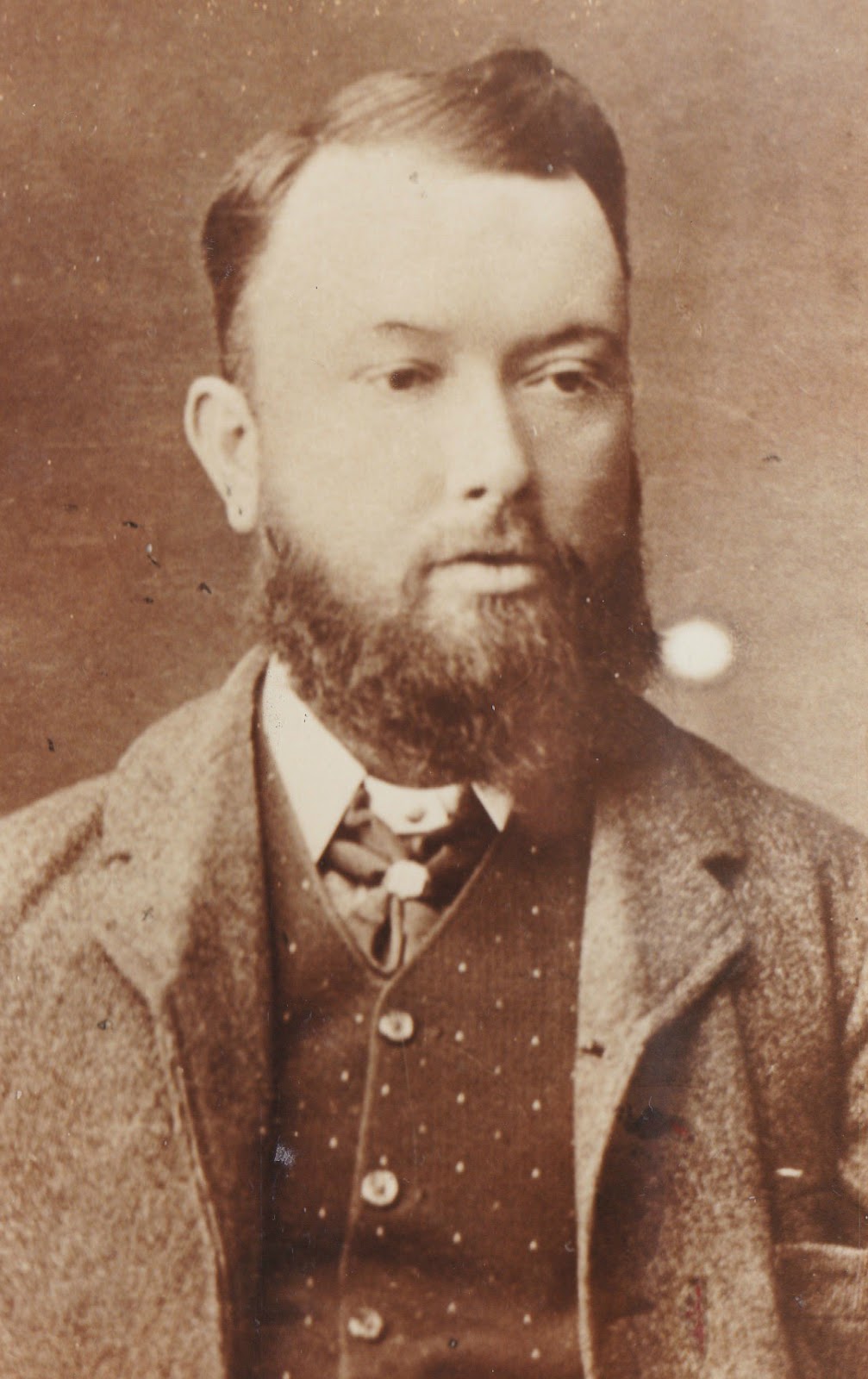
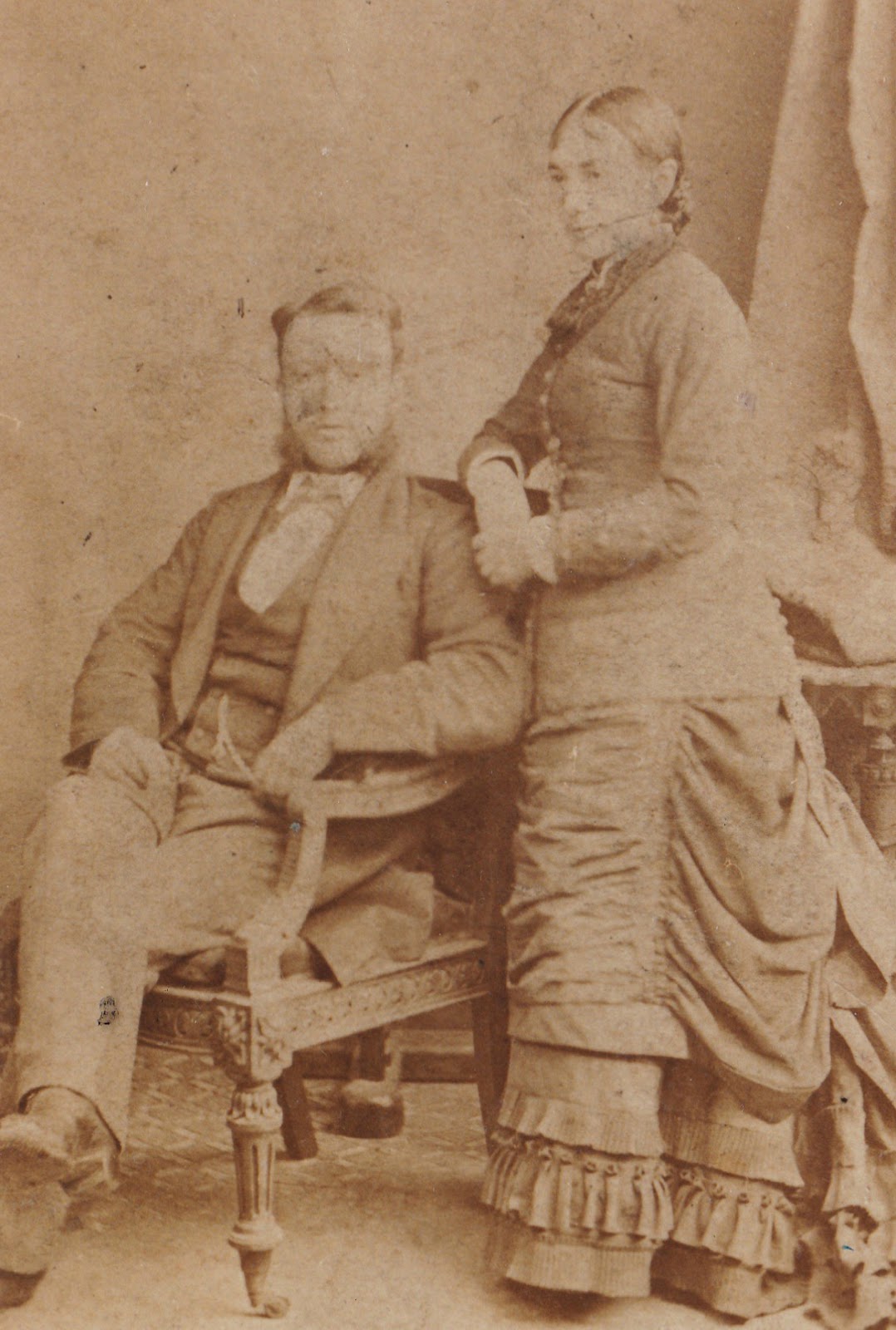
An inquest was held by the County Coroner. One of the hotel's barmaids said Richard was drunk and that she had "put him to bed" at 6pm on Friday. When she went into the room again at 10am the following morning (Saturday) to wake him up, she found he was dead, with his face pressed against the pillow. The jury's verdict was that he died of suffocation, partly because of the soft pillow, and partly because of his tight collar. Catherine, Richard's wife, it seems, had spent the fateful night in one of the hotel's other rooms.

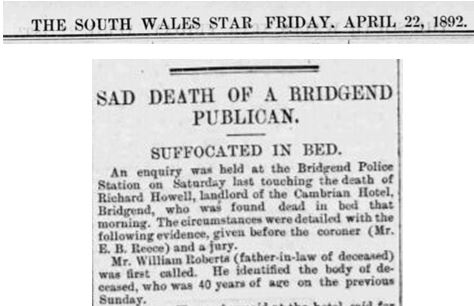
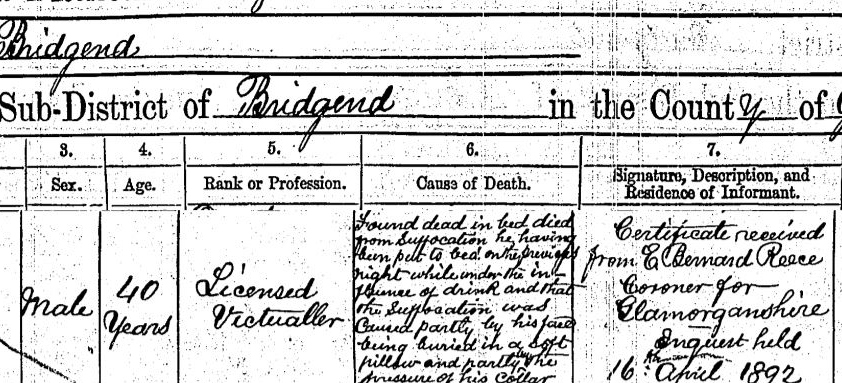
The 1901 Census shows Catherine, aged 43, still residing at the hotel (now called the “Cambrian Hotel”) with four young adult children (aged 17, 18, 19 and 20) and one domestic servant. She is listed in the register as a widow and the hotel/pub keeper.
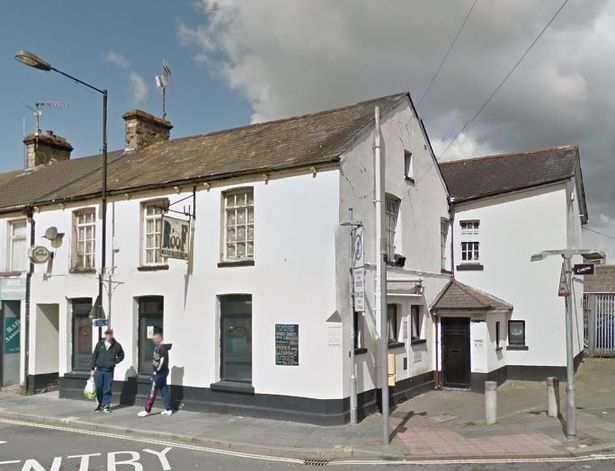
The building still exists in Oldcastle, Bridgend. Sterling investigative work by Cowbridge U3A member Graham Couchman has located it as being on the corner of Market Street and Derwen Road. The premises has been operating recently as a night club called “The Roof”, popular, it seems, with the youth of the town.