THE FORGOTTEN CONSCRIPTS: THE BEVIN BOYS
Jay Swift is an author, screenwriter, playwright and producer who visited Cowbridge u3a History Group in August 2022 to give a professional presentation on a story she is passionate about disseminating to a wider audience, namely that of “The Forgotten Conscripts: The Bevin Boys”.
36,000 coalminers had left the pits early in WWII, either volunteering for the Armed Forces or taking jobs that were better paid or had superior working conditions. The output of coal, vital to the war effort, fell dramatically.
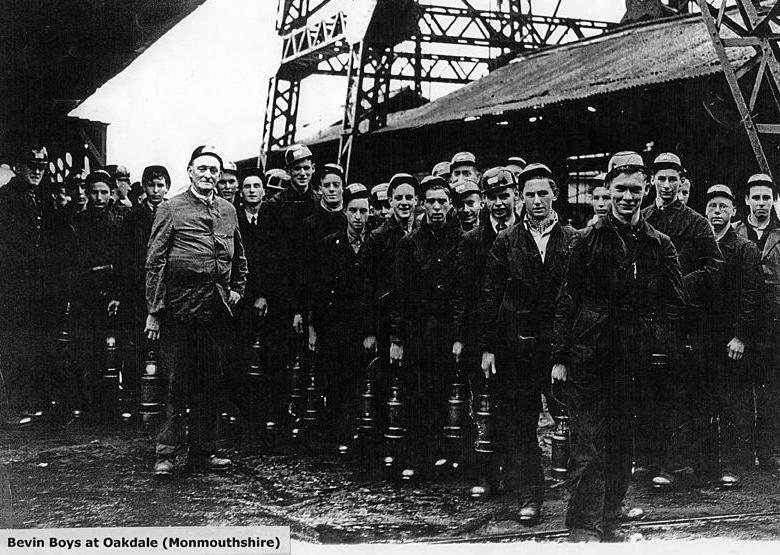
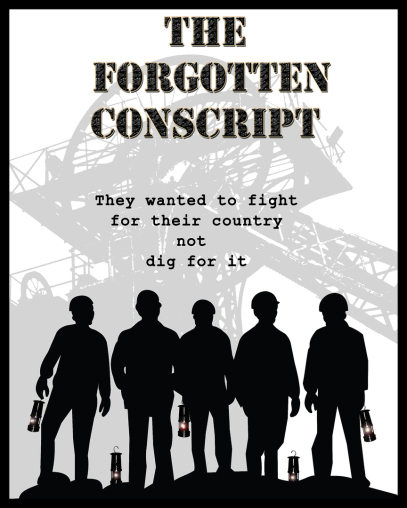
| Speaker Jaye Swift | Bevin Boys at Oakdale Colliery | The Forgotten Conscripts |
It was calculated that 50,000 more men were needed in the collieries. Ernest Bevin, the Minister of Labour, attempted to recruit retired miners back underground, as well as volunteers from those being conscripted to join the services. This raised some 20,000 workers.
In December 1943, because of the continuing dire shortage of coal, Bevin proposed that a ballot be held regularly. New conscripts, whose National Service registration number ended in a specific numeral, were to be channelled, without exception, into working in the mines. Some 28,000 men were thus selected. Eric Morecambe was one of them.
Many of the “Bevin Boys”, as they became known, appealed – they wanted to fight for their country, not dig coal for it. Very few cases were upheld by the tribunals, even among those whose civilian talents appeared eminently suitable for the military.
For those who refused to work underground, there was the prospect of a £100 fine or a 3 month prison sentence, or even both, with the same again if there was continued non-compliance with the Government’s directive.
For the majority, there was 4 weeks’ familiarisation training, before being allocated to a colliery anywhere in the country. Accommodation would be assigned on arrival, possibly military-style Nissen huts or, more likely, billeting with a local family.
The conscripts, in general, did not work at the coal face (this was the domain of skilled miners), but undertook haulage and conveyor belt duties. Absenteeism was a major problem, as the Bevin Boys were not subject to military discipline, so could only be docked wages or given fines. For those from better-off backgrounds, this was less of a hardship.
There was no uniform for the Bevin Boys; off-duty they wore their civilian clothes, which could lead to accusations of being conscientious objectors or military service dodgers. This was another reason for resentment among those sent to the mines, as there was nothing to show they were “doing their bit in wartime”.
Many of the colliery conscripts were not released from compulsory work until 1948, three years after the fighting had ceased.
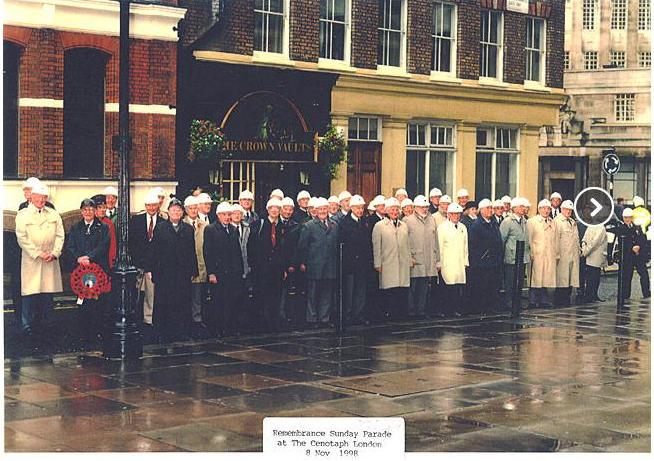
Post-war, there was no special recognition for the Bevin Boys from the Government for years, as it was deemed too difficult to separate their efforts from that of the main body of civilian workers. They were not even allowed to participate in the Remembrance parade at the Cenotaph until 1998. A badge was not awarded by the Government to surviving veterans until 2008.
| Bevin Boy badge | 1998 Remembrance Day parade |
The Bevin Boys did their duty for their country, even if many were unwilling to do it by “cutting coal”. However, as one said; “I went down a boy and came up as a man”.
Steve Monaghan