THE ILL-FATED FRANKLIN EXPEDITION
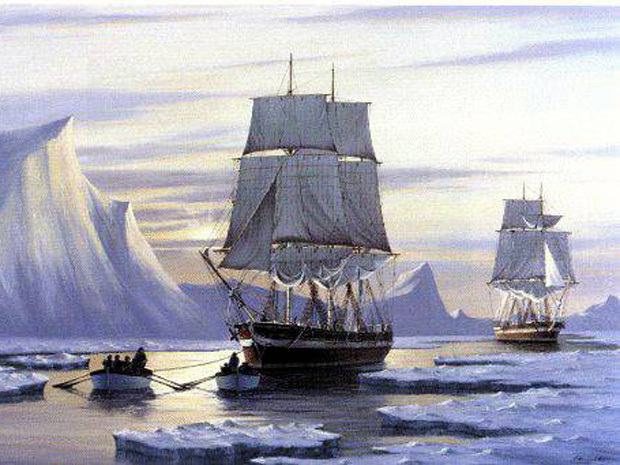
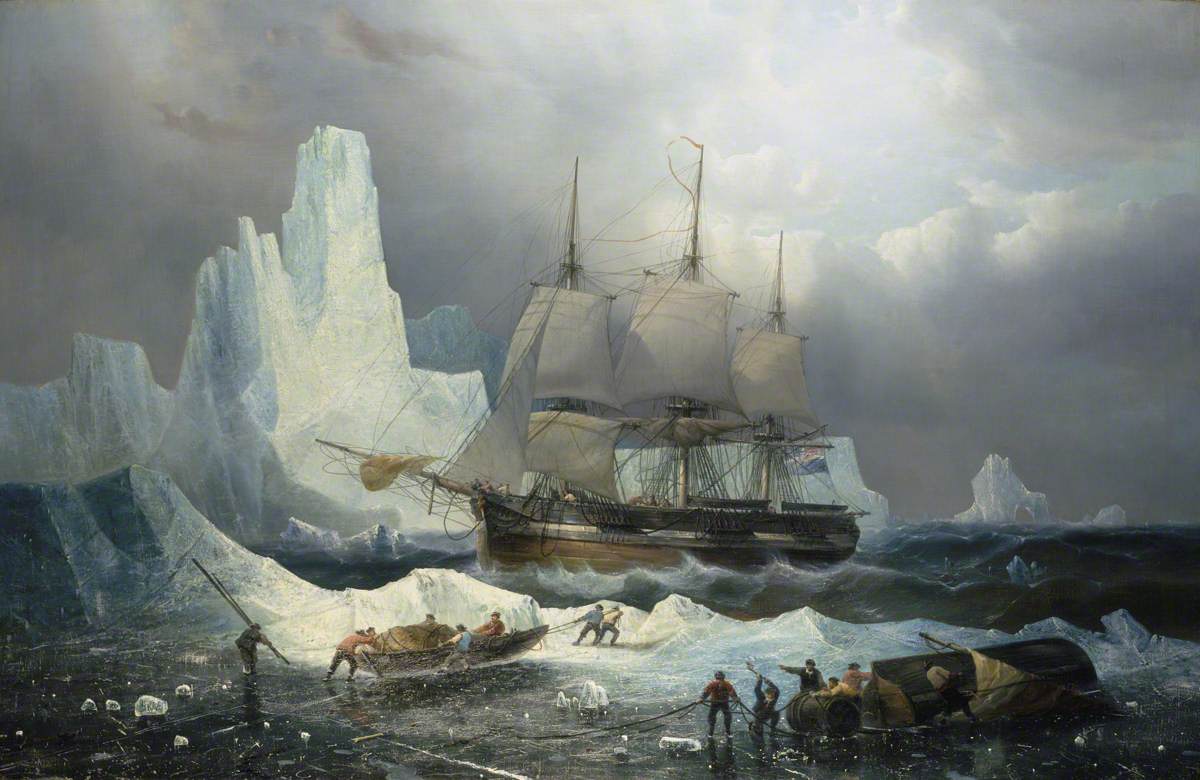

Two sturdily built, well equipped and provisioned ships, containing 129 men, were last sighted in July 1845 by a whaler east of Greenland in Baffin Bay. The only other people to see the vessels again were Inuit seal hunters, until the sunken wrecks of “HMS Erebus” and “HMS Terror” were located in 2014 and 2016 respectively. No members of the crews would survive.
This was the story of the ill-fated Franklin expedition, despatched to discover the Northwest Passage, as related to the Cowbridge u3a History Group recently by long-standing member Gavin Davies.
Gavin told how the hulls of the two sailing vessels had been strengthened to withstand being trapped in ice, an insulation system had been fitted and steam engines could be used as a last resort. The ships carried sufficient food for 3 years (5 if rationing was enforced), including citrus juice to ward off scurvy, the plague of long voyages.
The expedition’s leader was Sir John Franklin, an Arctic veteran, probably now too unfit and old for command, but his two ships’ captains, Francis Crozier and James FitzJames, were capable men.
It had been anticipated that both ships would become trapped in the ice overwinter, but when nothing had been heard of the group by 1847, major concerns were raised. Search expeditions (there would be 36 eventually) in 1848-9 found no trace of ships or men.
In 1850, searchers discovered the graves of three members of Franklin’s expedition. They had all died in early 1846, towards the end of the expedition’s first winter.
The Government offered a reward of £20,000 (£1¾ million today) for news leading to the locating of the expedition.

In 1853, as nothing had been found, the crews were declared legally dead and the ships lost.
It was John Rae of the Hudson Bay Company who encountered several Inuit in 1854 and obtained from them artefacts, such as cutlery, watches and a medal that had belonged to Franklin, which linked directly to the missing expedition. There were stories of thin, weak white men seen dragging sleighs and bodies being found near an upturned boat. Most shockingly, the contents of cooking pots indicated cannibalism had been practised.
Rae’s report stirred up the proverbial hornets' nest. The document’s contents were repudiated, especially by Lady Franklin and her supporters, who included Charles Dickens. How could Rae believe the words of murdering savages?

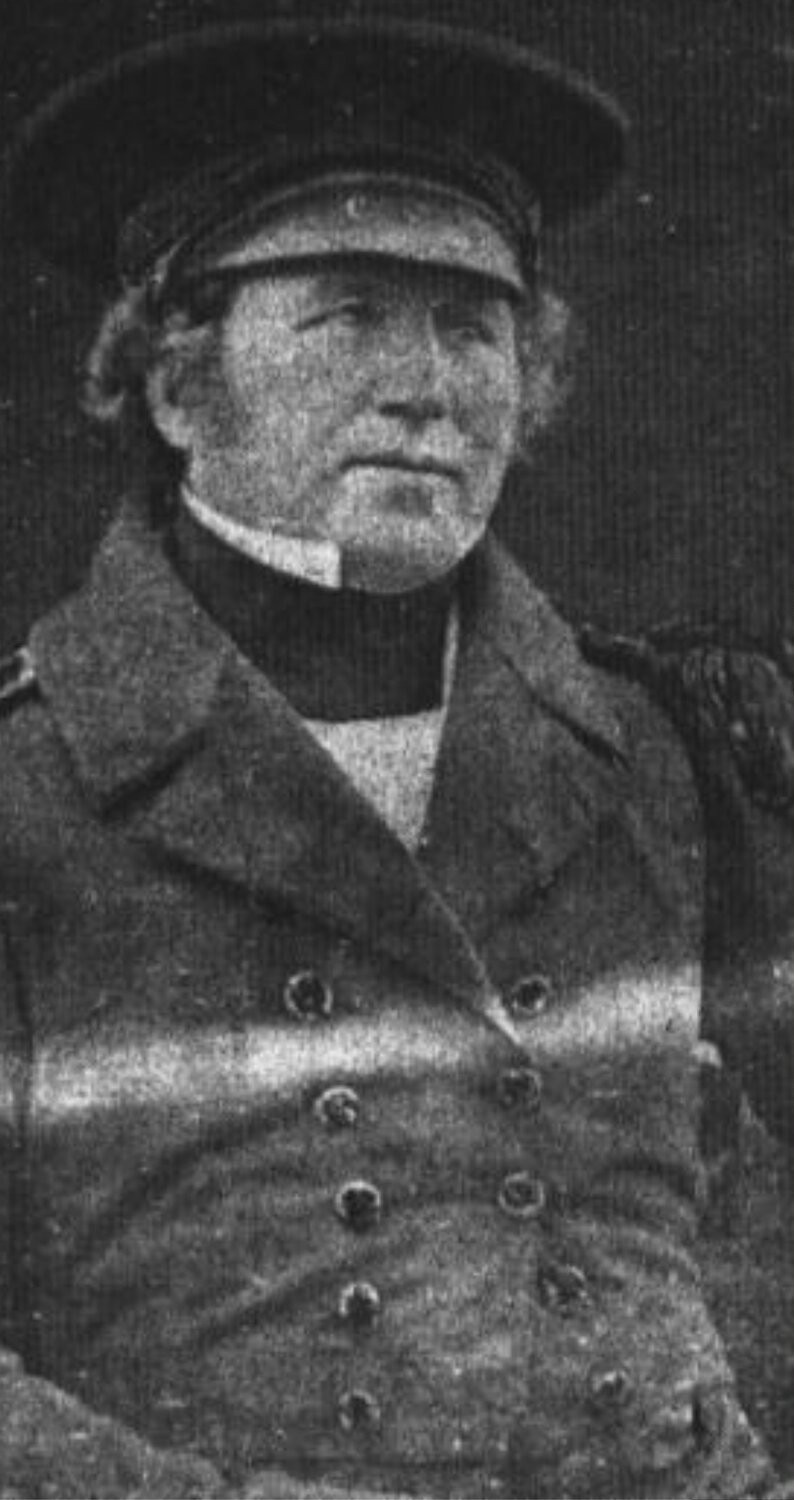
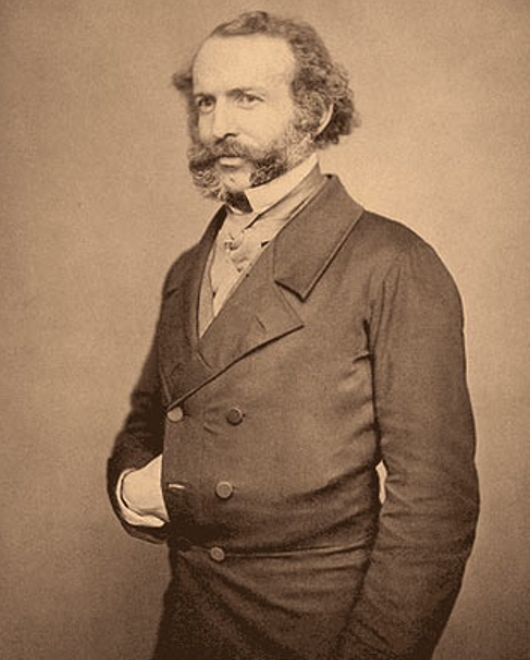
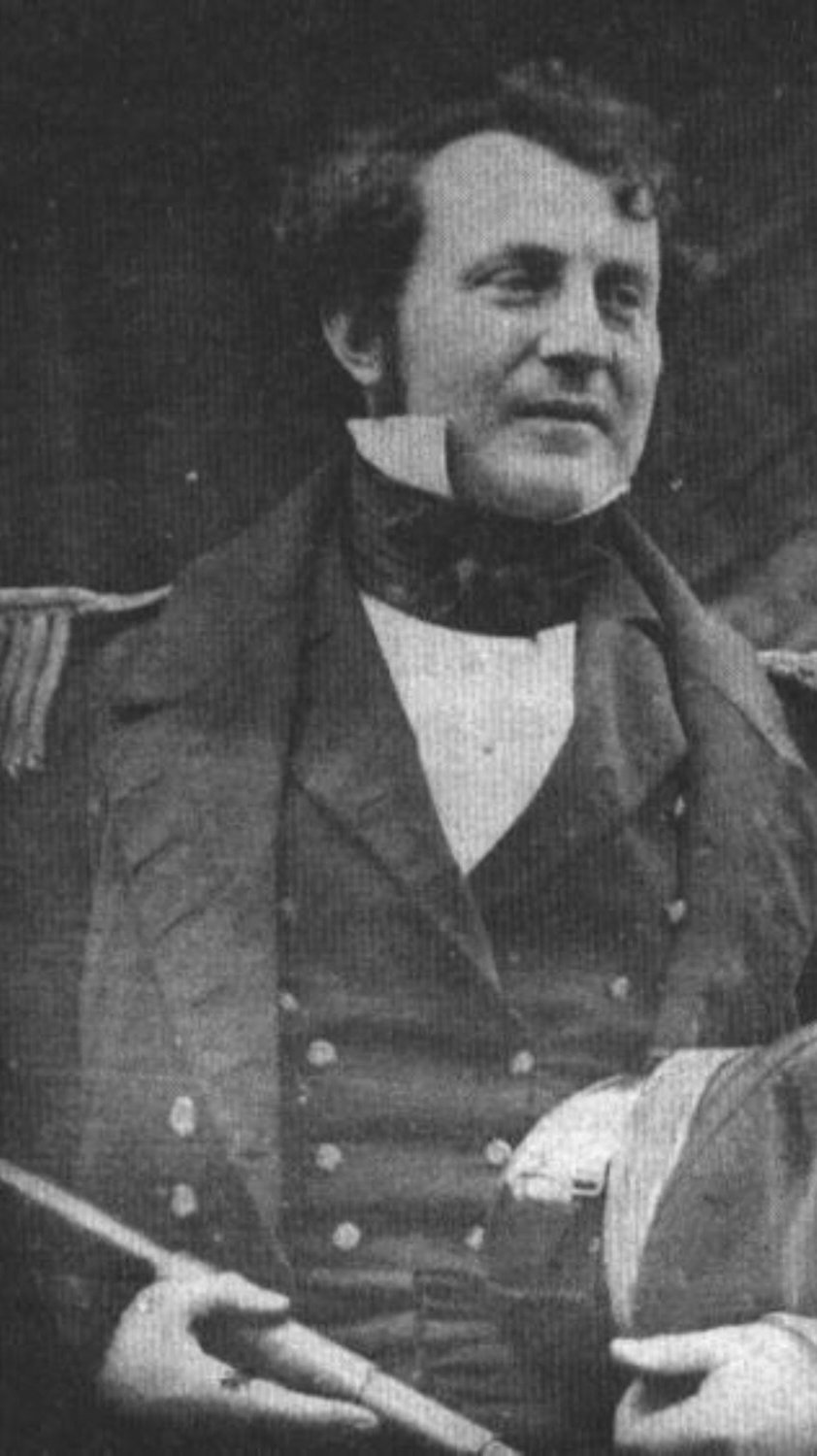


John Rae was vindicated when later expeditions discovered some of the bodies and confirmed the cannibalism. A letter, annotated in April 1848, found in a cairn, revealed that Franklin had died in June 1847 and the ships had been abandoned after 19 months trapped in the ice. The surviving men had attempted to walk to safety – none ever reached it.
The empty ships drifted south in the ice and eventually sank, to be found some 160 years later, their bells confirming their identities.
Lady Franklin spent the equivalent of £3½ million on financing searches, which brought her into conflict with her step daughter, Franklin’s heir, who claimed her inheritance was being squandered in a forlorn cause.
Despite what you may have read, the expedition never found the Northwest Passage – Lady Franklin was a good publicist for her late husband.
Steve Monaghan