“NEATH ABBEY”: THE STORY OF A STEAM SHIP FROM CONSTRUCTION TO DESTRUCTION

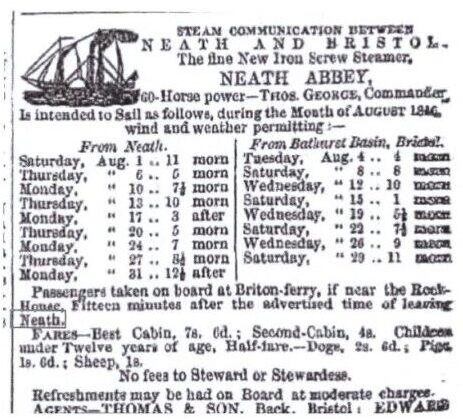
It was a poster for a twice-weekly crossing by sea (about 60 miles) from Neath to Bristol in 1870 that caught the interest of Allan Sutcliffe. The vessel named in the handbill was the “Neath Abbey” and Allan’s extensive research into the ship, described as a “fine new iron screw steamer" in an 1846 advertisement, was shared with fellow Cowbridge u3a History group members at their May 2022 meeting.
The story began with the industrial heritage of Neath and its iron works, copper smelting plants (three at one time on the abbey side of the river) and nearby coal mines. It proved more economical for Cornish copper ore to be shipped to Neath and Swansea for smelting, rather than transport coal in the other direction.

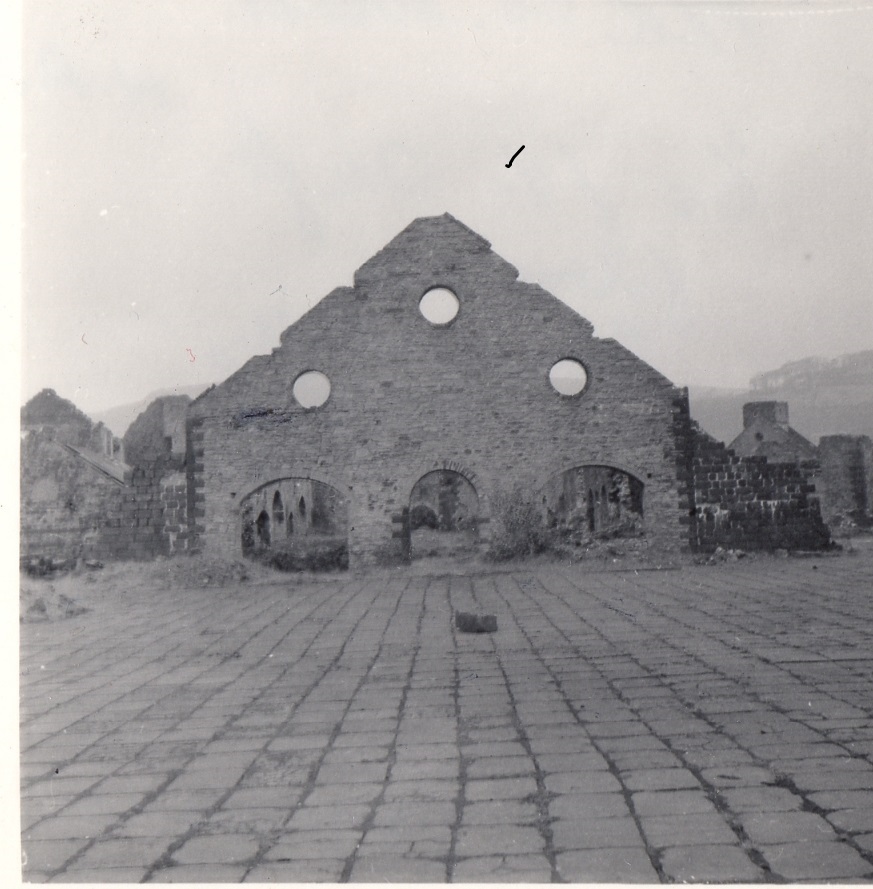
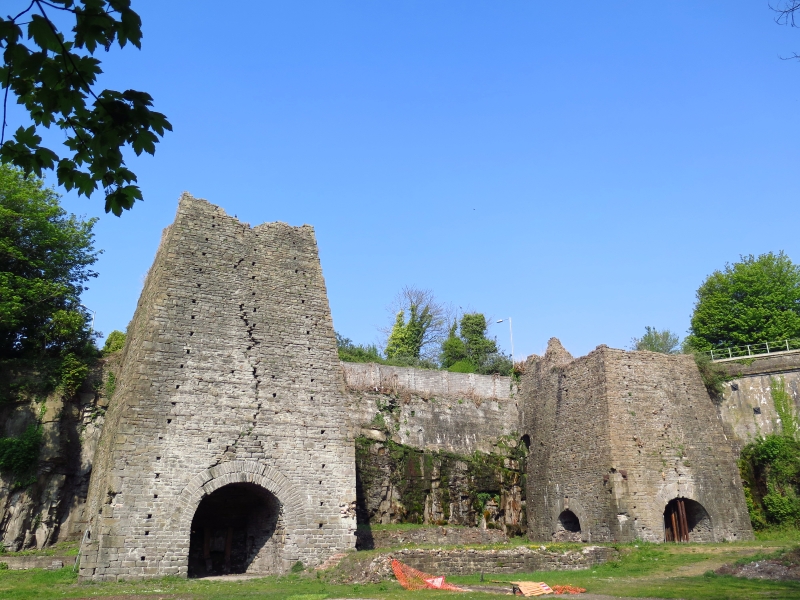
Neath Abbey Ironworks, founded at the end of the 18th century, was run by Quakers who refused on ethical grounds to make armaments for the Napoleonic Wars. At the heart of the works were the two blast furnaces, which still survive. It quickly became a pioneer, in the first half of the 19th century, in the development of steam engines, both fixed engines to power the mining and metal industries and then for steam locomotives. In 1822, marine engines were fitted to a paddle steamer.
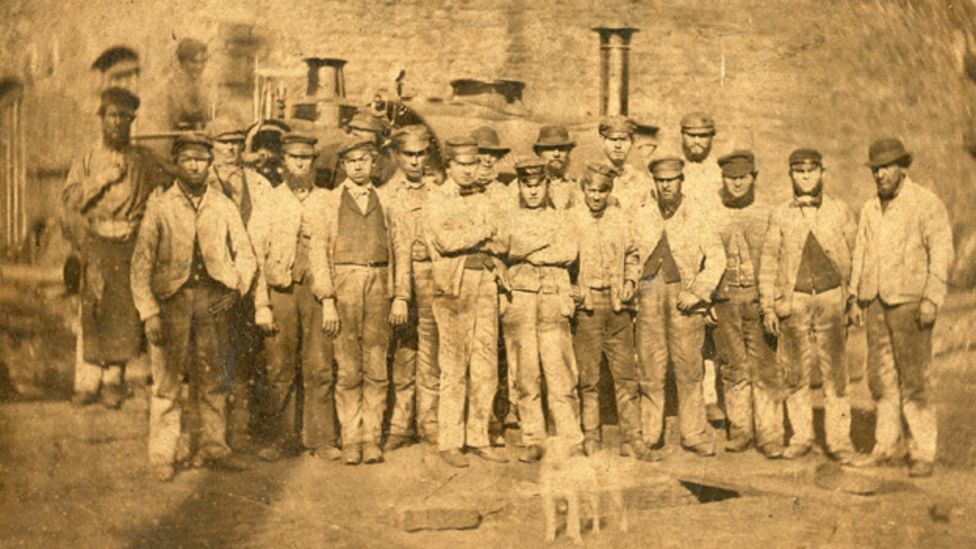
The first iron ship to be constructed in Wales was built at Neath Abbey in 1842. While a national debate was taking place about the merits of propellers against paddles in powering ships, the iron works opted for the former and launched a screw-propelled ship in 1845 (as did Isambard Kingdom Brunel in the shape of the "SS Great Britain").
The “Neath Abbey” was built in 1846; she was schooner-rigged (2 masts, the foremast shorter than the other), driven by a three blade propeller and could carry 60 tons of cargo. She was 97 feet long and 16 feet in the beam, with a single deck.
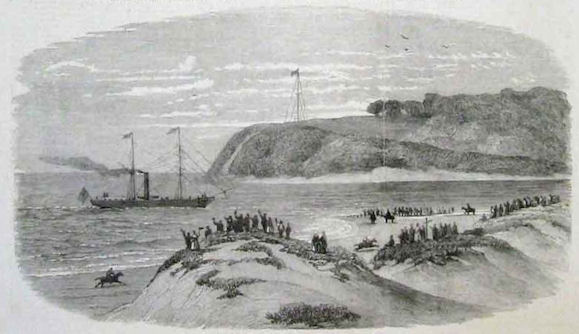
Advertised as providing rapid crossings to Bristol from Neath (the Bristol Channel was an important trade route in the 19th century), the ship was to sail the route for 48 years. The average passage was six hours, but the length of the voyage was very weather-dependent.
Allan read out one letter of complaint from a passenger concerning a crossing of 10 hours – and no "regular" meals were provided!
Poster for August 1846 sailings The maiden voyage of the “Neath Abbey” in July 1846 was an excursion to Ilfracombe for the owners and invited guests. Sailings to and from Bristol were then marketed at 7 shillings and 6 pence for the best cabin, 4 shillings for the second cabin, with sheep 1 shilling and pigs one and six. Dogs were relatively expensive at half a crown each.
As well as passengers, the vessel would carry cargoes such as iron, tin plate or various grains.
The ship was sold in 1890 for £325, but continued to ply the same crossing.
The Bristol Channel is a dangerous waterway, with a fast tide and high rise and fall, and disaster would strike in 1894 on the night of 19/20 June when, in heavy weather, the “Neath Abbey” ran aground at Nash Point, 70 yards from shore. Despite desperate attempts by the crew to save her, the ship broke up. Sadly, the captain, William Morgan, and three of his crew were drowned.
An inquest at The Horseshoe Inn at Marcross recorded that the vessel was on a course too close to shore.
Two weeks after the wrecking, salvaged items from the ship were sold at an auction, providing the final chapter in the history of the “Neath Abbey”.
Steve Monaghan
Postscript: The Neath Abbey Ironworks launched the world’s first 1,000 ton iron sailing ship in 1853. Its quality workmanship was famous. Neath Abbey's SS John, launched in 1849, was the oldest steamship sailing before its loss in 1945.
"Neath Abbey" Technical details:
16ft 4in wide, 97ft long
Clinker built
98 tons gross, 67 tons nett
Cargo capacity said to be 60 tons
Two 60hp condensing engines, with 12 in cylinders
three-bladed screw, 3.5ft diameter.