THE STREET WHERE THEY LIVED
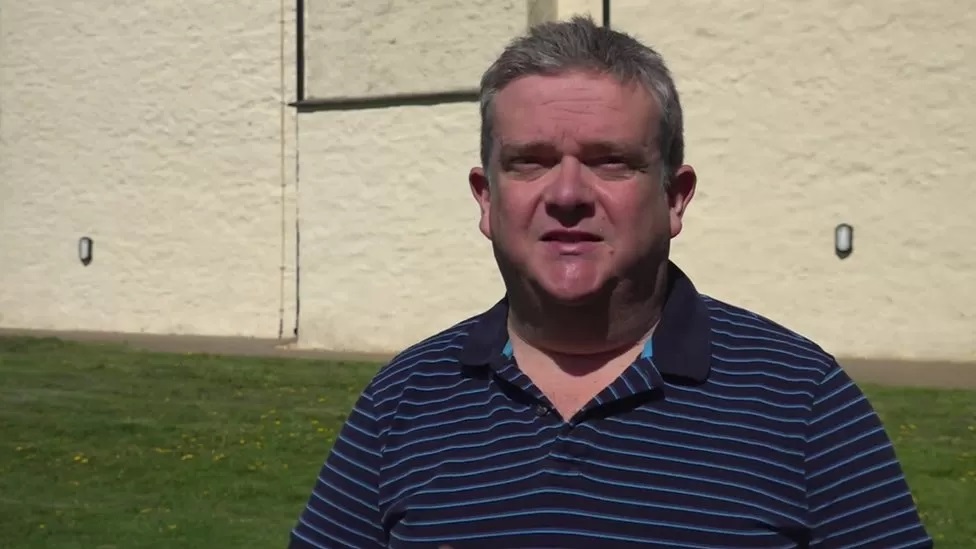
speaker Dean Powell Dean Powell from Llantrisant returned to Cowbridge to speak at the u3a History meeting in April 2023 and did not disappoint. His topic was “The Street Where They Lived”, the story of William Street in Cilfynydd and some of its residents who became well-known in later life.
Cilfynydd was just a collection of farmhouses and a stopping-off point on the Glamorganshire Canal until the Albion Steam Coal Company sank shafts nearby in 1884. The first drams of coal surfaced in 1887 and what had been a community of 24 people now numbered 2,000. The settlement required a name and, as “Albion Town” was unpopular, that of a nearby farm, “Cilfynydd” was chosen.
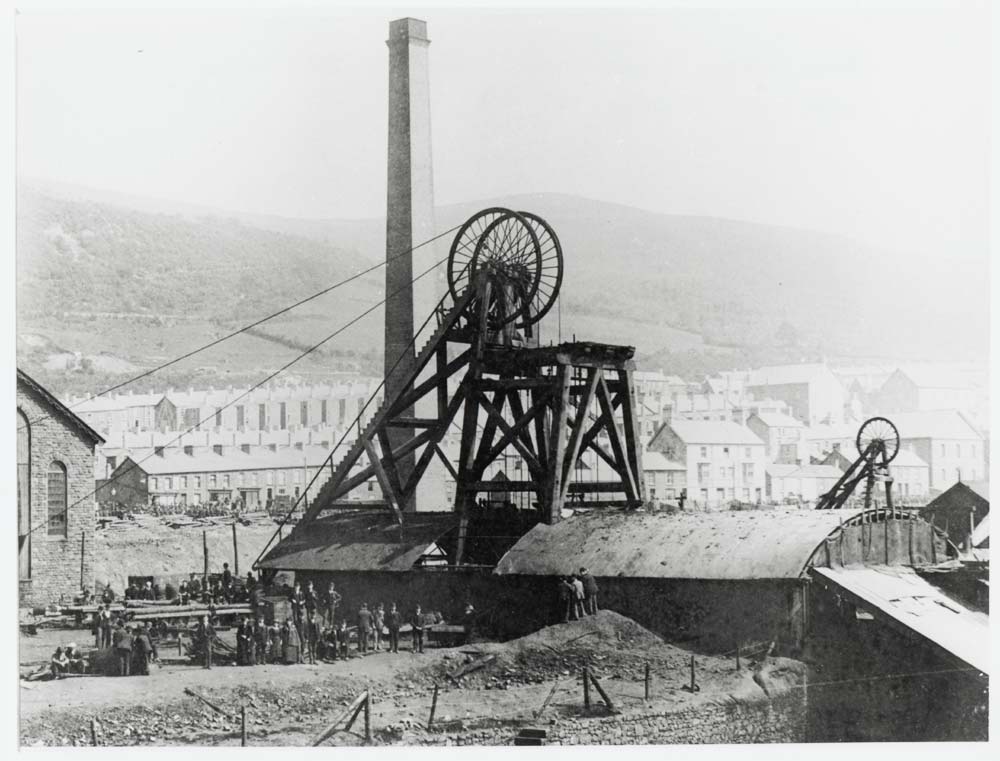

In 1894, the colliery was the scene of a mining disaster when 290 men and boys were killed in a series of explosions. This loss was only surpassed by the appalling Senghenydd event of 1913.
Cilfynydd also suffered badly during the tornado of 1913, when South Wales was struck by 180mph winds, leaving the affected areas like a war zone. The damage estimate in Cilfynydd alone was £3 million in today’s money. See The South Wales Tornado of October 1913.
Perhaps the adversity suffered in its few short years engendered a spirit of resilience in its inhabitants, for Cilfynydd, and especially William Street, was to produce notable residents.
Number 21 was the birthplace in 1920 of Merlyn Rees, who attended Pontypridd Grammar School before his family moved to England. He was later to become a Labour MP for 29 years and was appointed Secretary of State for Northern Ireland by Harold Wilson. He became Home Secretary in 1976 under Jim Callaghan.
When Rees retired from the House of Commons in 1992, he was created a life peer as Baron Merlyn-Rees.
Number 78 was the childhood home of Glyn Davies (born 1927), who played rugby for a large number of clubs, including local team Pontypridd. He was selected to play for Wales in 1946, whilst still at grammar school. Glyn went on to win eleven caps for his country, including the win over Australia in 1947. He was nicknamed “El Supremo” by his adoring fans.
He was the brother-in-law of Welsh opera singer Sir Geraint Evans, a miner’s son, born in 1922 at number 55 William Street. On leaving school aged 14, Geraint worked as a window-dresser in Pontypridd. He sang with a local Methodist choir and the local amateur dramatic society. On the outbreak of World War II, he joined the Royal Air Force, where his wartime career comprised mainly forces’ entertainment. His first appearance was at Covent Garden in 1948 and his last, at the same venue, in 1984. Evans was especially acclaimed for his performances in the title role of Verdi's “Falstaff”. The character’s pigeon-toed waddle was apparently derived from observing a rotund Cilfynydd miner. He was knighted in 1969.
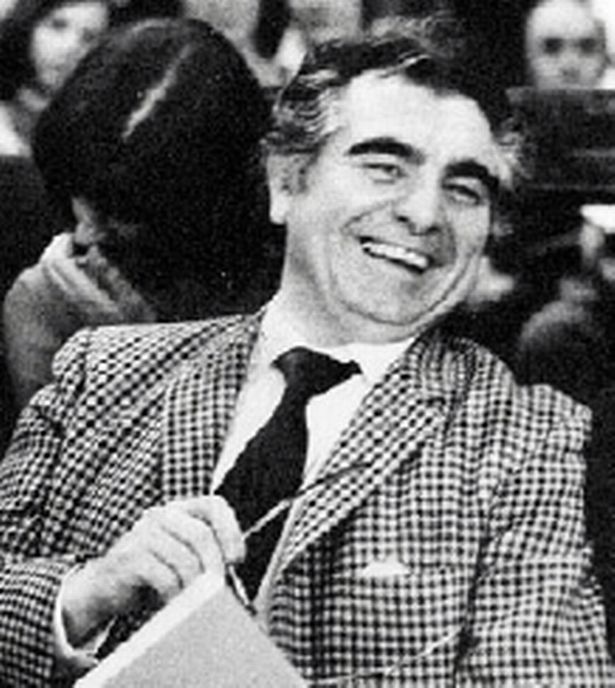
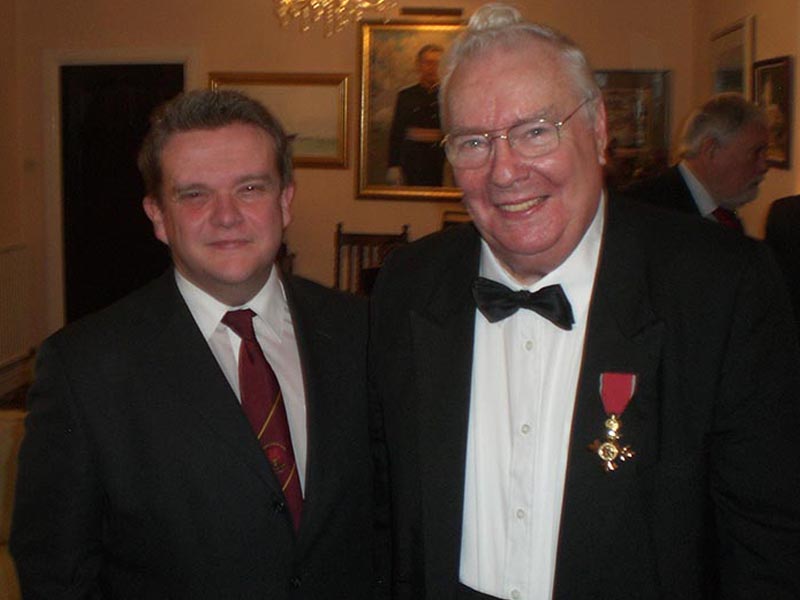
The fourth William Street resident to achieve fame was Stuart Burrows, born in 1933 at number 19. He began his working career as a teacher in Bargoed, but his talent as a tenor soon brought him attention. 1963 saw his debut with Welsh National Opera. Although best- known for live and recorded performances, Burrows also made television appearances, including a BBC series called “Stuart Burrows Sings”, which ran for 8 years.
He has contributed to singers’ causes and charitable organisations, and received an OBE in 2007.
Dean concluded his talk with details of other Cilfynydd notables, including Gareth Jones, Professor of Zoology in Belfast for 15 years; Howard Jones, lead singer with the Joe Loss Orchestra; and boxer Dai Dower, who held British, Empire and European flyweight titles during the 1950s. Although born in Abercynon, Dower lived in Cilfynydd for a time.
To use a boxing analogy, Cilfynydd has punched above its weight when it comes to producing talent.
Steve Monaghan