BOWOOD HOUSE VISIT BY u3a HISTORY GROUP
Thirty two members and friends from the Cowbridge u3a History Group departed from the town recently to visit the Marquis of Lansdowne’s Bowood House in Wiltshire, on what was to be another scorching day.
Probably none of the party knew that the “Big House” there had been demolished in 1955, after becoming highly dilapidated post war, and what they were actually to see was the “Little House”, which had been converted into comfortable accommodation about the same time.
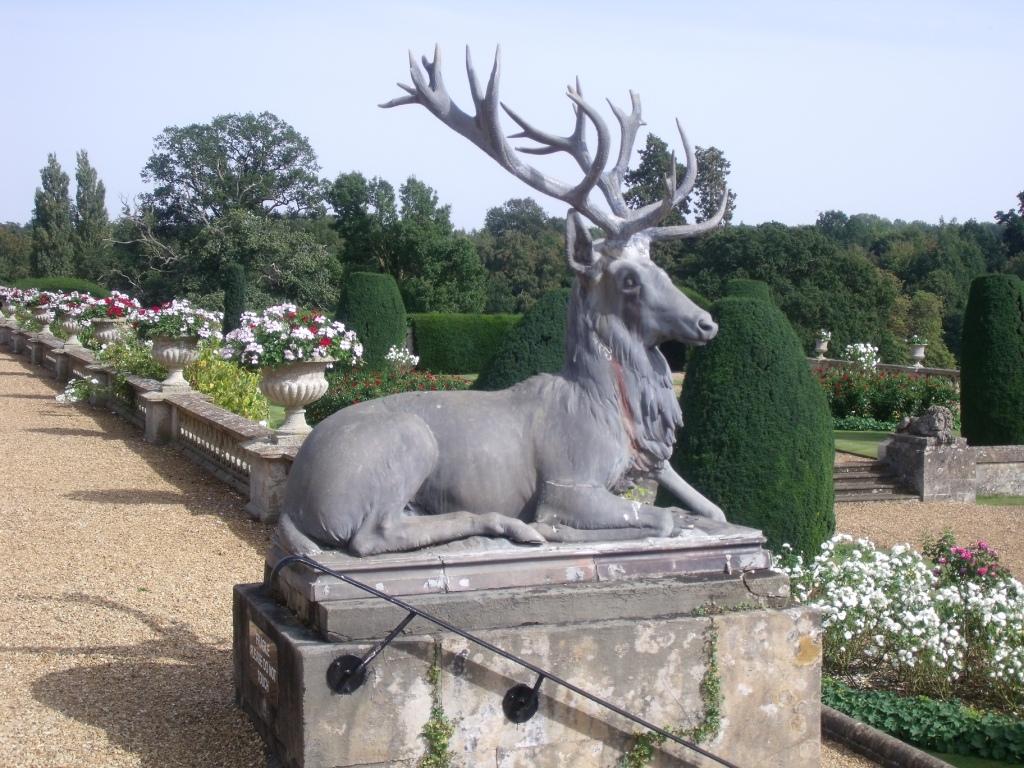
This remaining building is greatly impressive, now Grade I listed, with a formal Italianate terraced garden overlooking lawns and the half mile long lake with a Doric temple folly situated on the far side. Much of the parkland landscaping was undertaken under the supervision of “Capability” Brown, with later additions such as cascades, a hermit's cave and grottoes. Two miles (3.2 km) of rhododendron walks can be taken in May and June, and Brown’s arboretum of rare trees (more than 700 species) still exists to be explored.
Submerged in the lake are the foundations of cottages forming the hamlet of Mannings Hill, sacrificed in the water feature’s creation and rediscovered by divers in 2007.

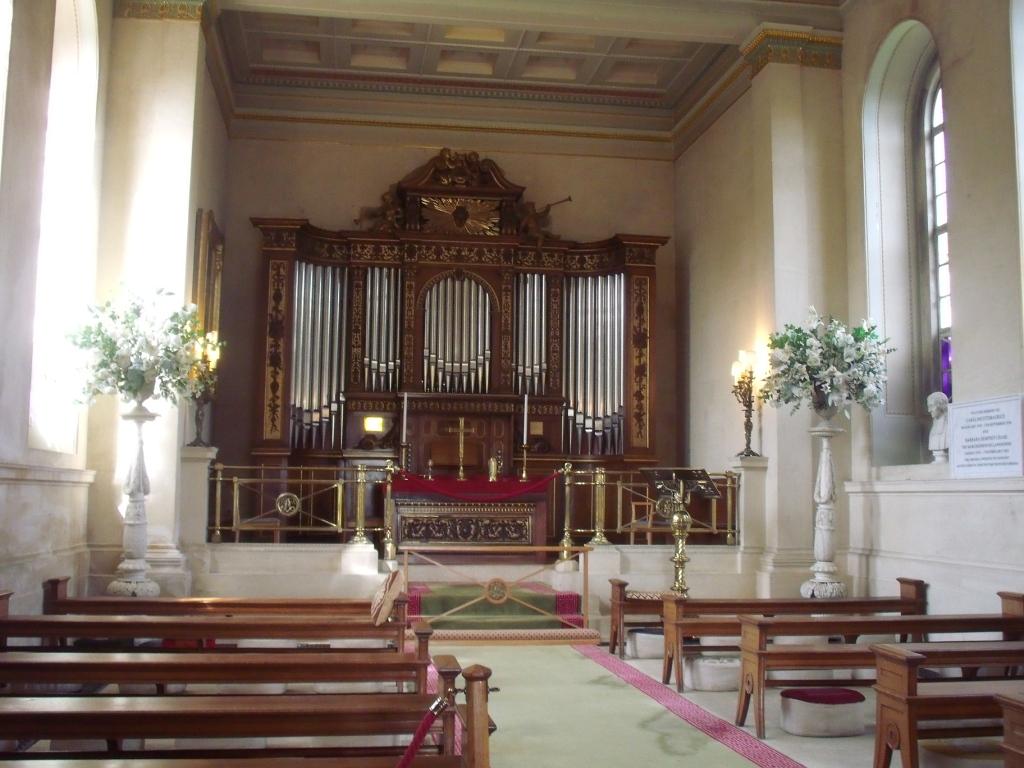

The front wing of the house is open to the public, with paintings and sculptures on display, as well as a number of exhibition rooms devoted to an extremely varied collection of family treasures and heirlooms.
One of the rooms was the laboratory of Joseph Priestley, who discovered oxygen there on 1 August 1774.
Most of the u3a group understandably found conditions far too hot (in September!) to explore the extensive grounds much beyond the cascades and the temple, but there were ample shaded spots to sit and enjoy the magnificent scenery.
“Where did the money come from?” is a frequent query for the tour guides. In the case of Bowood House it originated with Sir William Petty, who came to prominence serving Oliver Cromwell in Ireland, where he developed efficient methods to survey the land that was to be confiscated from Royalists. As his reward, Sir William acquired approximately 30,000 acres (120 km2) of Irish land and £9,000. Despite his Cromwellian political allegiance, Petty was well-treated at the Restoration in 1660 and was subsequently knighted by Charles II. The rest, as the saying goes, is history.
Fortified by an ample cream tea (with two large scones each), the party departed at 5.00pm to return to Cowbridge.
Many thanks must go to Valerie for organising yet another successful trip.
Steve Monaghan