COWBRIDGE (ANCIENT BOROUGH) WITH LLANBLETHIAN TOWN COUNCIL; ITS HISTORY AND REGALIA
The Mayor Councillor John Andrew Cowbridge u3a History Group was recently graced with the presence of Councillor John Andrew, the Mayor, accompanied by the Mayoress. His talk on the History and Regalia of the Council attracted a bumper attendance of members and visitors.
It started in 1066, when the Normans arrived. By the end of the 11th century, they controlled most of South Wales, and established a castle in the medieval manor of Llanblethian.
In 1245, Richard de Clare, the 2nd Lord of Glamorgan, a powerful Marcher Lord, seized Llanblethian castle and created a new town nearby, Cowbridge. It was he who granted the town its first charter in 1254, which gave rights to the freemen of the borough, known as burgesses.
Subsequent charters were granted over the centuries, but the oldest surviving one dates from 1421. Believed lost for 300 years, it was discovered in the offices of a Somerset solicitor in 1983.
A Town Council was formed in 1460 and, some 80 years later, the burgesses were given the right to choose an MP.
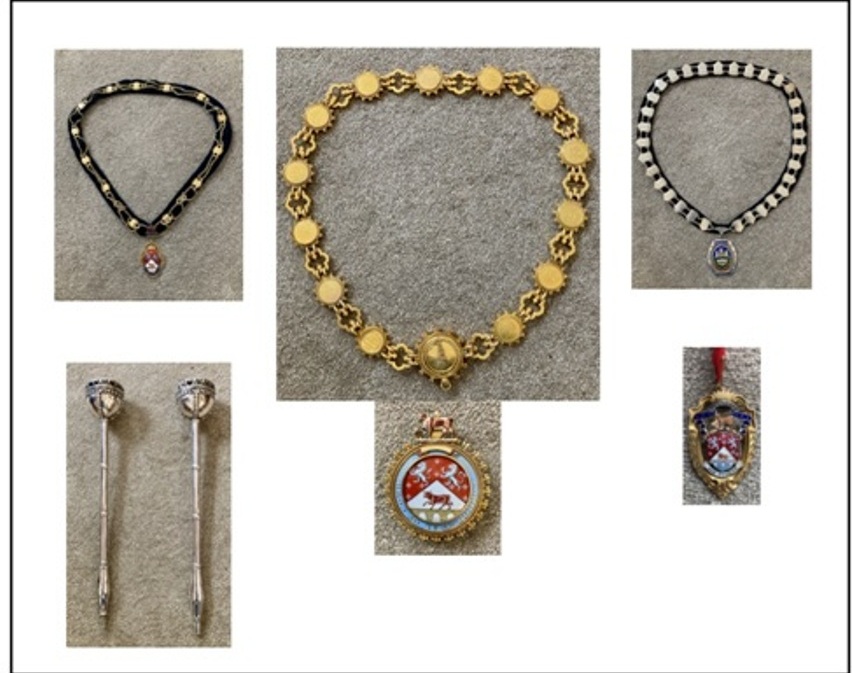
The Cowbridge maces and chains of office The two silver maces are dated 1606 and display the heraldic emblems of the Herbert and Sidney families. They symbolise the authority of the Borough magistrates (reminiscent of the lictors, who forced a passage through crowds with rods for Roman officials). The maces are still carried today in town parades such as those on Civic Sunday and Remembrance Sunday.
Charles II granted a charter to the “very ancient and populous” Cowbridge which allowed the town to have a mayor, albeit appointed for life by the Marquess of Bute.
By the 1870s, the ratepayers of Cowbridge were pressing to be able to elect councillors. The 1886 charter for Cowbridge, granted by Queen Victoria, allowed the election of 4 aldermen and 12 councillors by householders. The council would elect a mayor from among their number.
In 1887, Thomas Rees was elected as the first mayor, with some of the occupations of councillors being listed as solicitor, brewer, chemist, carpenter, publican and grocer. David Tilley was one of the first councillors; he was later to become the mayor in 1909 and hold the office three times. His second wife, Gwenllian, became the first woman mayor in 1943 and his son, also David, was mayor in 1968.
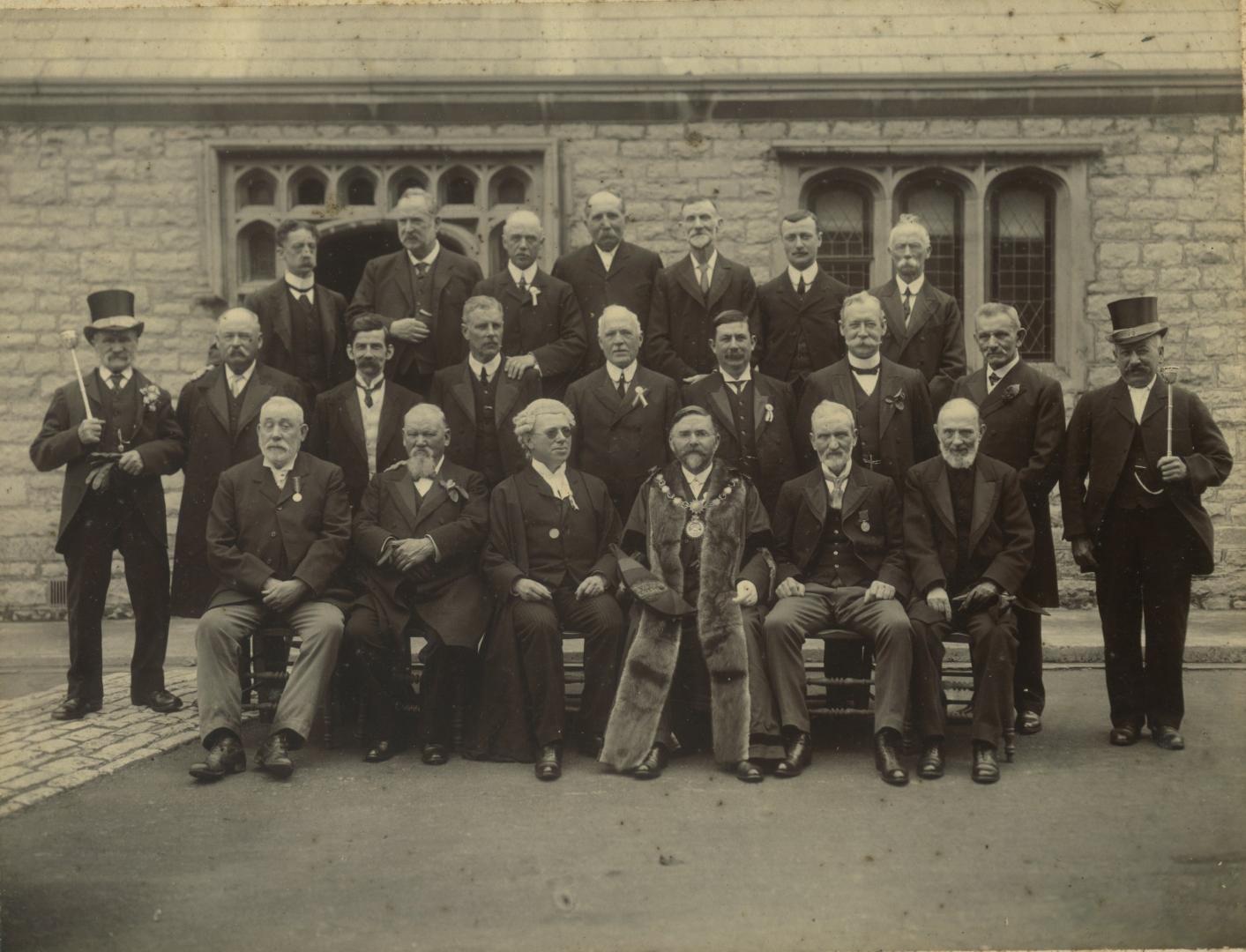

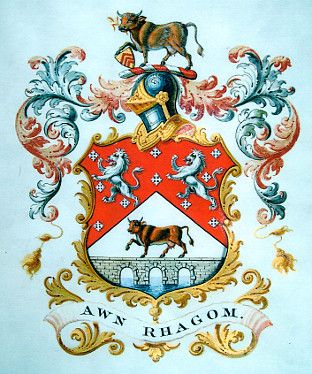
The heavy, handsome mayoral chain and badge of gold, worn during his talk by the mayor, dates from 1888. The names of mayors were engraved on the medallions until space ran out in 1972. The badge shows the town’s coat of arms (a cow and a bridge are prominent) and its motto.
The mayoress’s chain, also available to view, dates from 1933.
The Council continued for 88 years until the Borough of Cowbridge was abolished by the 1972 Local Government Act.
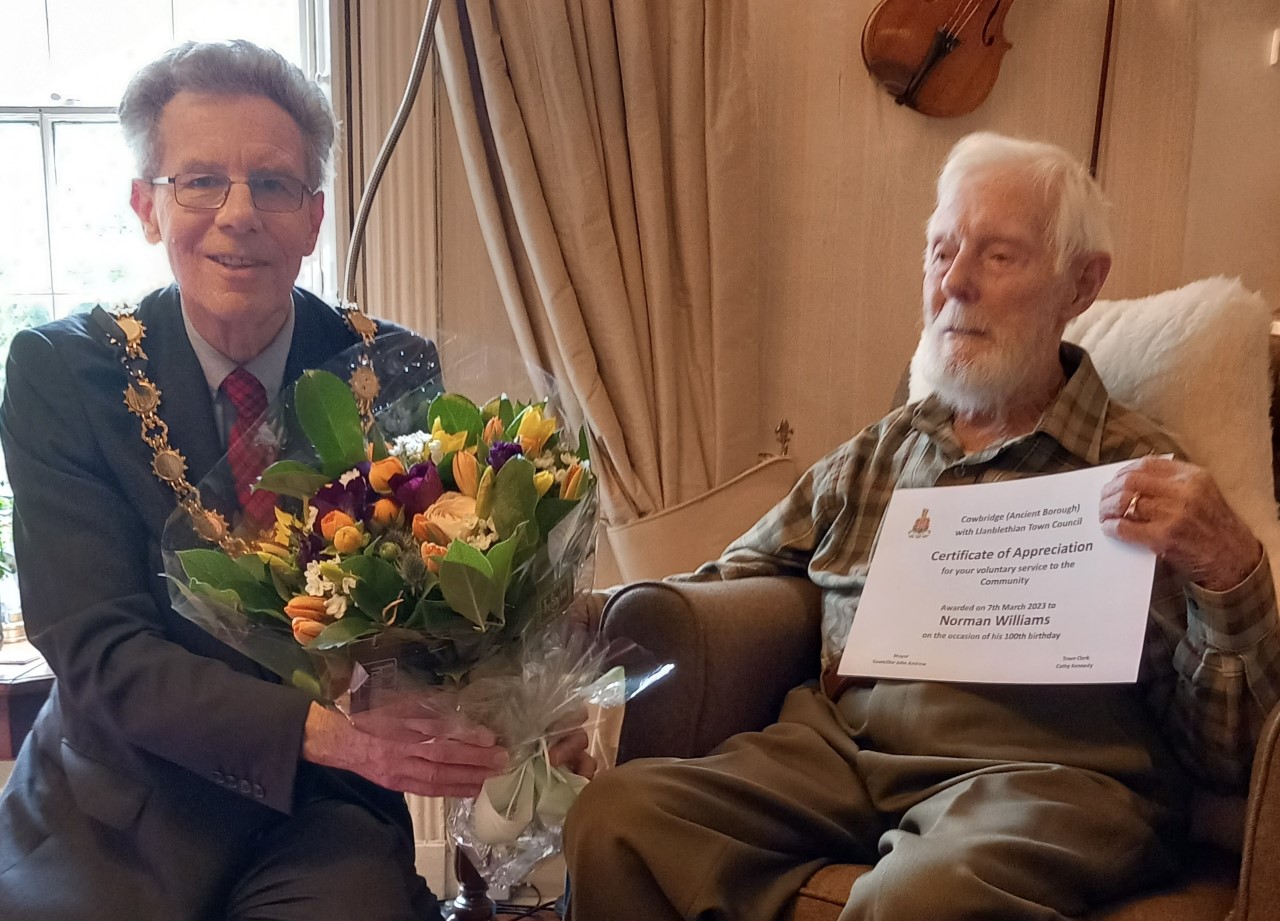

All of the town’s assets would have transferred to the Vale of Glamorgan if it hadn’t been for the sterling actions of Norman Williams (who has recently celebrated his 100th birthday), who was determined that Cowbridge should retain some of its traditions and status as an ancient borough. His hard efforts, against opposition, ensured that the Town Hall and regalia remained the property of the new Community Town Council.
Llanblethian’s Community Council merged with Cowbridge’s in 1982 under the present name, Cowbridge (Ancient Borough) with Llanblethian Town Council, a link with its rich history.
Steve Monaghan