HIDDEN, UNSUNG AND FORGOTTEN PIONEERS
The Betsi Cadwaladr University Health Board has regularly been in the news of late, often for regrettable reasons. But do you know who the eponymous Betsi, born near Bala in 1789, was?
Cowbridge u3a History Group learned about her when Rowena Williams (Chair of Bridgend u3a) visited to give a tour de force presentation on “Hidden, Unsung and Forgotten Pioneers”.
Betsi, a contemporary of Florence Nightingale and the better-known Mary Seacole, became aware of the poor treatment of wounded soldiers in the Crimea and trained as a nurse when she was over 60. Initially, Miss Nightingale was reluctant to have a Welsh, working class woman on her nursing staff, but Betsi’s ability and determination eventually triumphed. Initially, Betsi was posted to a base hospital in Scutari (now in Turkey), but later moved to Balaclava to be nearer the front line. Conditions in the Crimea took their toll on her health (cholera and dysentery). She died in 1860 and was buried in a pauper’s grave.
In 2016, Betsi was named one of the 50 greatest Welsh men and women of all time.
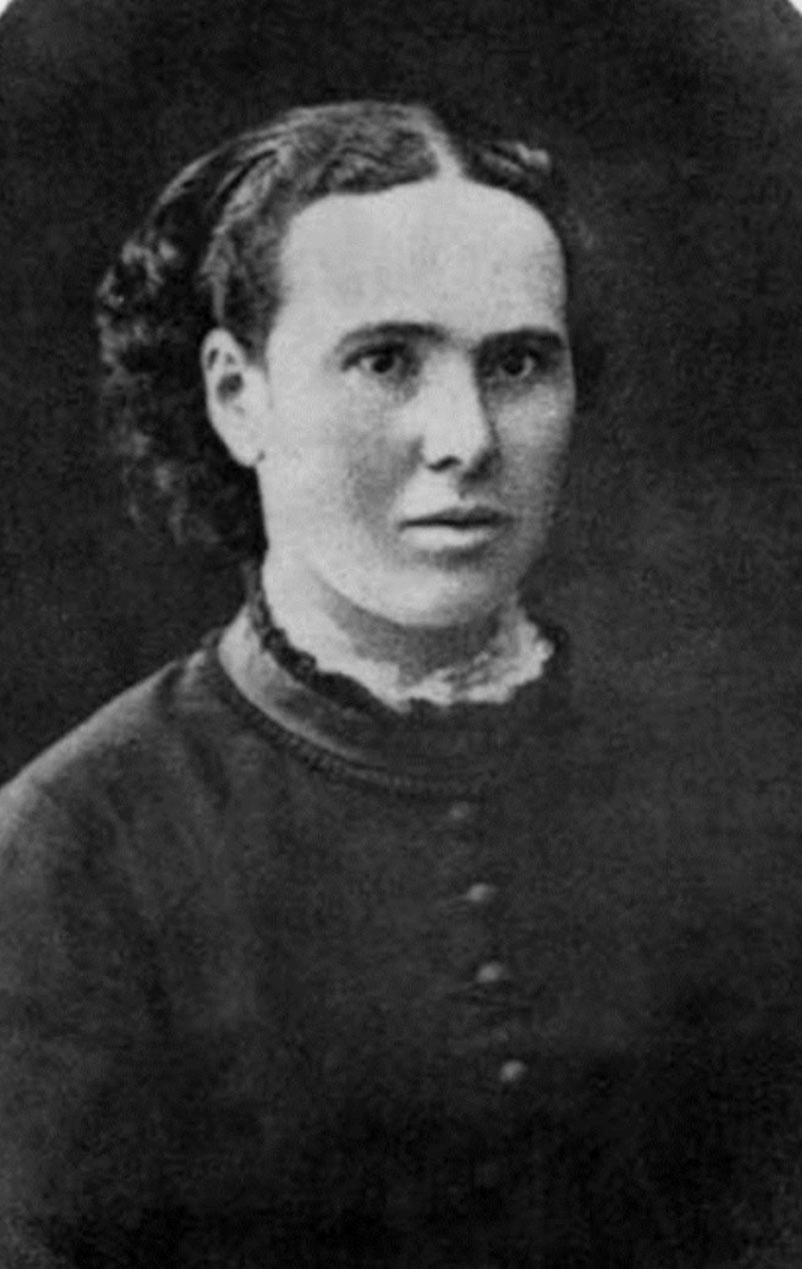
| Betsi Cadwaladr | Dr Frances Hoggan |
Three 19th century trailblazing doctors featured in the talk: Elizabeth Garret Anderson, the first woman to qualify in Britain as a physician, Elizabeth Blackwell, the first woman to earn a medical degree in the United States, and Dr Frances Hoggan, the first British female to earn a medical degree from a European university. Frances was born in Brecon and then brought up and educated in Cowbridge – our local medical pioneer. Together with her husband, she opened the first husband-and-wife general medical practice in the UK.
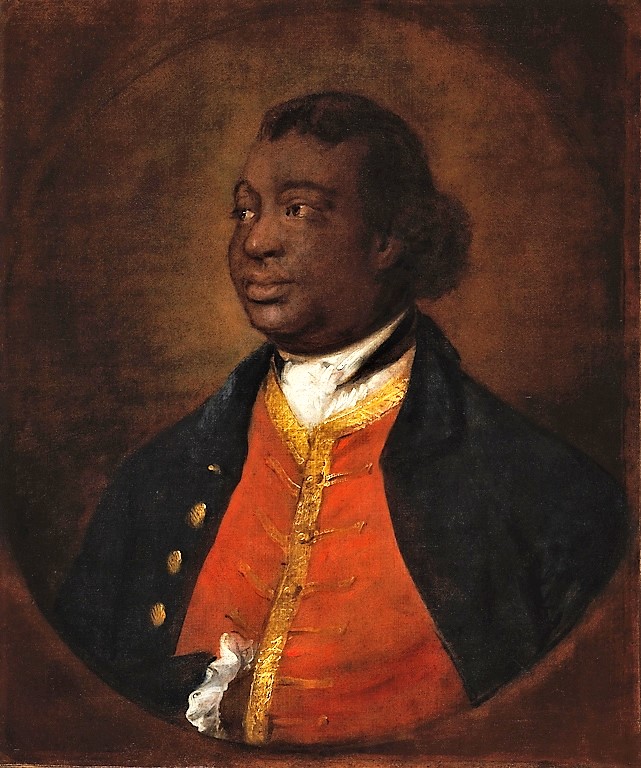
Ignatius Sancho was born in the Atlantic on a slave ship c1729 and, orphaned, brought to England two years later. He worked as a servant before running away aged 20. Ignatius was taken in by the Montagu family, taught to read and write, and, partly through a legacy from the Duchess of Montagu, prospered. As a male property owner, he was qualified to vote in a general election, becoming the first known British African to have voted in Britain. His portrait was painted by Gainsborough. Sancho became, to British abolitionists, a symbol of the immorality of the slave trade.
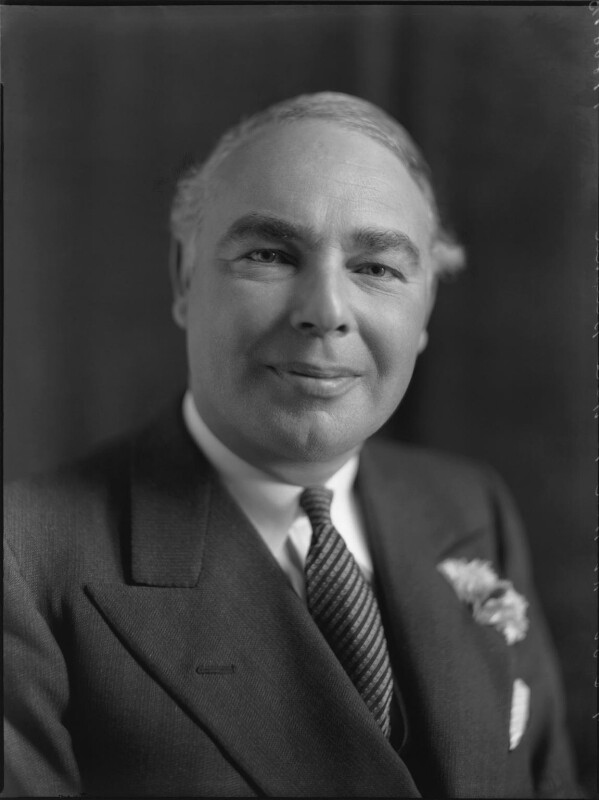
| Ignatius Sancho in 1768 | Leslie Hore-Belisha |
The word “belisha” is associated with the amber-coloured globe lamps marking pedestrian crossings on roads in the UK, but the politician Leslie Hore-Belisha is largely forgotten. Appointed Minister of Transport in 1934, he was instrumental in introducing driving tests, the 30mph speed limit in built-up areas, a revised Highway Code and the “zebra” crossing with the flashing beacons named after him. The innovations led to a dramatic drop in the number of road accidents. He disappeared into obscurity when, as Secretary of State for War, his disputes with the Army high command and fellow politicians, fuelled to some extent by anti-Semitism, left him in an untenable position and he was sacked in 1940.
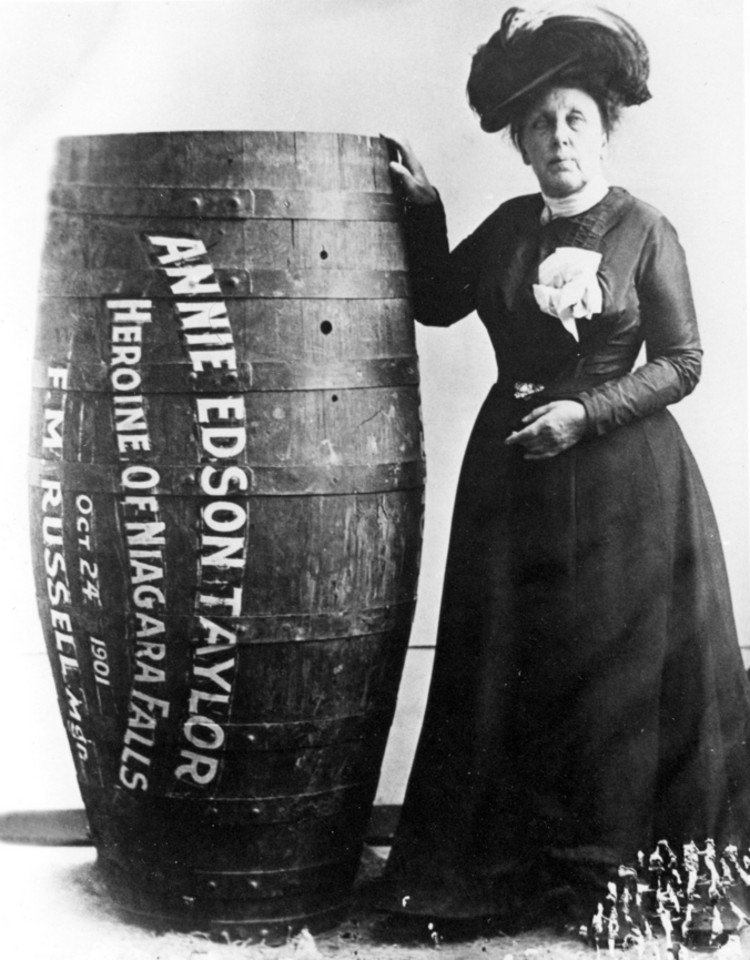
Rowena’s presentation encompassed many other notable pioneers, like public health reformer Sir Edwin Chadwick, talented organic chemist Dr Percy Julian who overcame racial prejudice in the USA, and divorce and female family rights campaigner Caroline Norton. There was even a mention of Annie Edson Taylor who, in 1901 on her 63rd birthday, became the first person to survive a trip over Niagara Falls in a barrel. These days, aged parents are often only given a bungee jump as a birthday present! Annie Edson Taylor with her barrel
Steve Monaghan