HISTORIC PUBS OF THE VALE OF GLAMORGAN

Graham Loveluck-Edwards, historian, author, broadcaster and columnist, took Cowbridge u3a History Group members on a tour of historic Vale of Glamorgan pubs during his recent talk. Not only did the appreciative audience learn about the hostelries, but there were many entertaining asides.
Graham explained that it is difficult to determine the oldest public house in Wales. Is it the oldest building now a pub, but which hasn’t always been one? Is it the current pub which stands on the site of previous buildings that were all hostelries? Is it the establishment which has been in existence as a tavern for the longest continuous period?
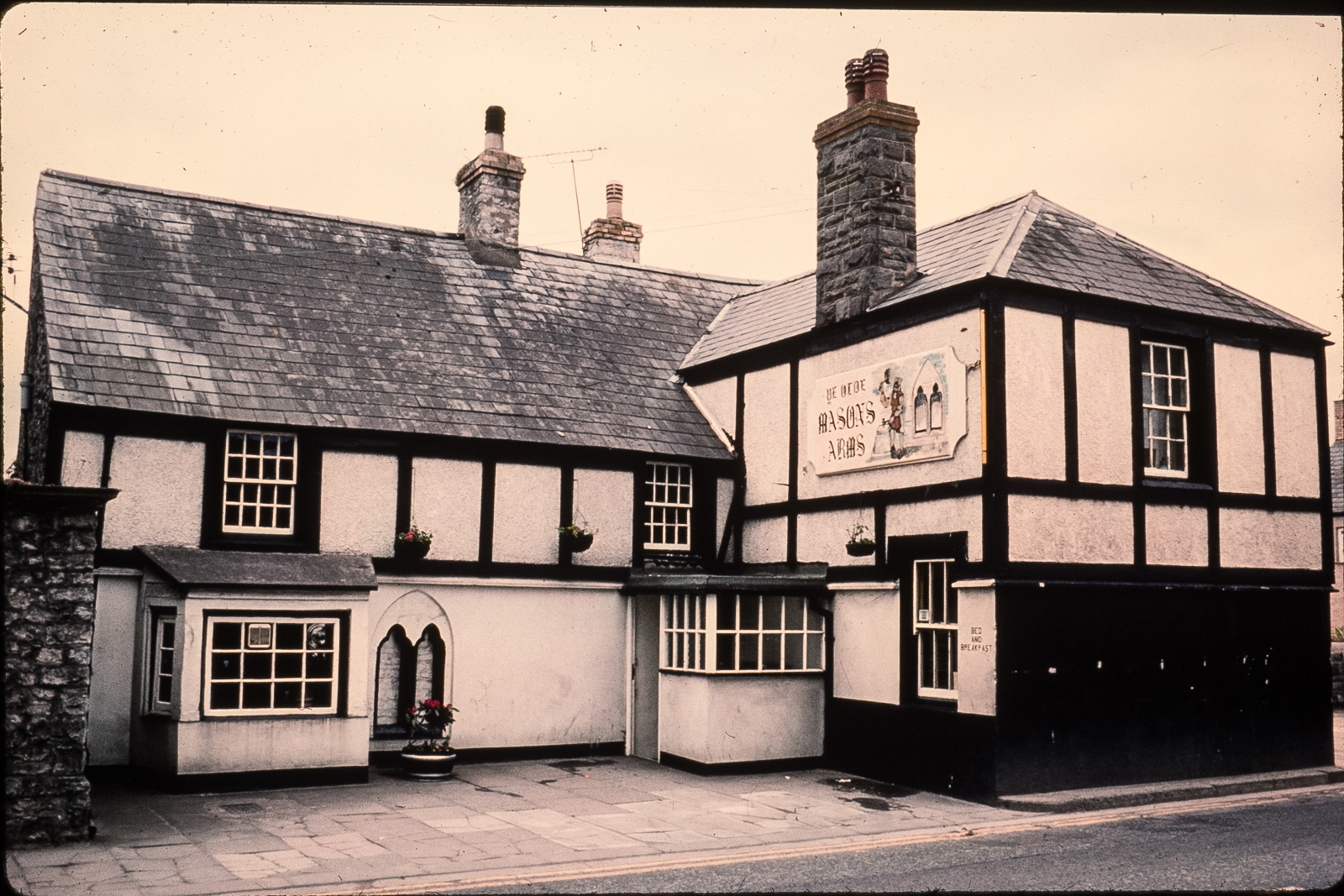
The first pub featured was, appropriately, in Cowbridge. “Ye Olde Masons Arms” (renamed the “Market Place”, now closed for several years) was situated on a site inside the town walls and on the old Roman road, where there has probably been an inn since the 15th century.
The “Bush Inn” at St Hilary is mainly post-Tudor, but incorporates older structures. The pub is the centrepiece of the story of Ianto Ffranc, who was hanged for crimes he probably didn’t commit (highway robberies) as well as one he did (sheep stealing) because of his intemperate boasting, no doubt fuelled by drink. His trial took place in the talk’s venue, the Lesser Hall of Cowbridge Town Hall.
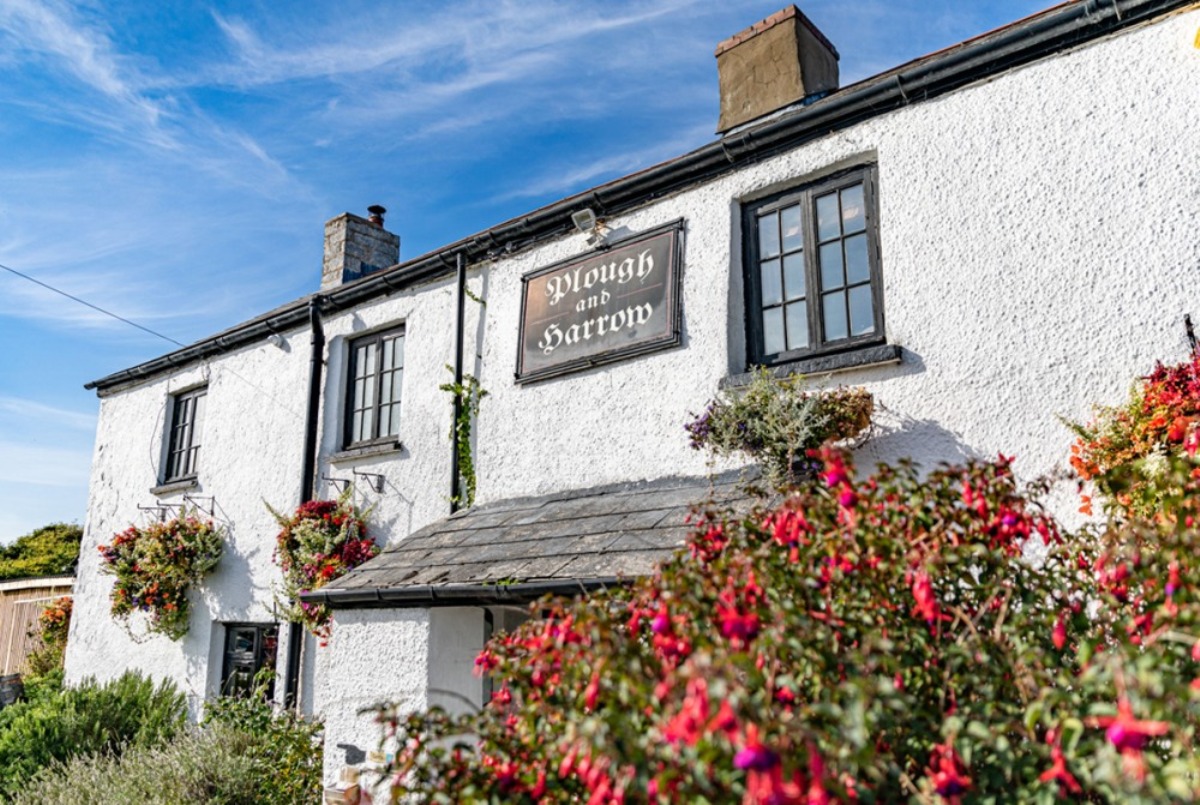
The Monknash “Plough and Harrow” is on the location of a monastic grange for Tewkesbury Abbey, which explains the ghost of a monk being seen here. The area was a hotbed of piracy and wrecking in which the inn was probably involved. It’s also been a venue for courts, inquests, makeshift mortuaries and schools.
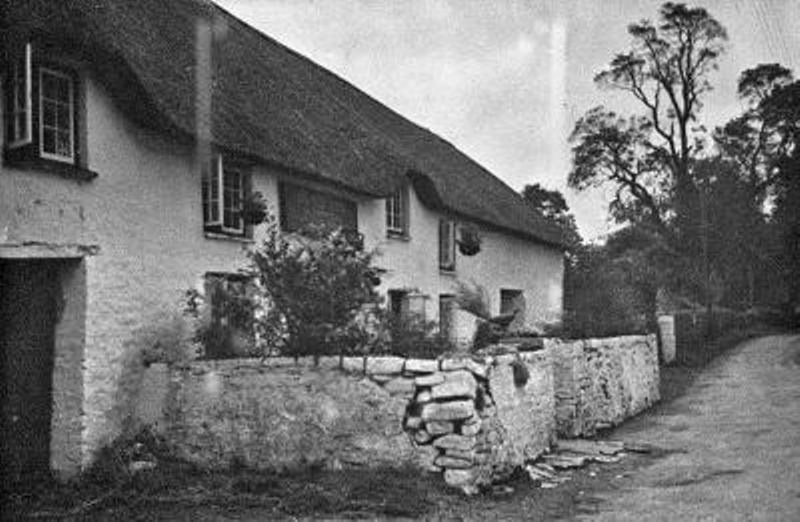
The “Three Golden Cups” at Southerndown gained its name from the rent terms which specified that three cups of wine were to be available whenever the Lord of the Manor of Ogmore visited Dunraven Castle. The area features in the legend of the “Wreckers of Dunraven” with its final, tragic outcome.
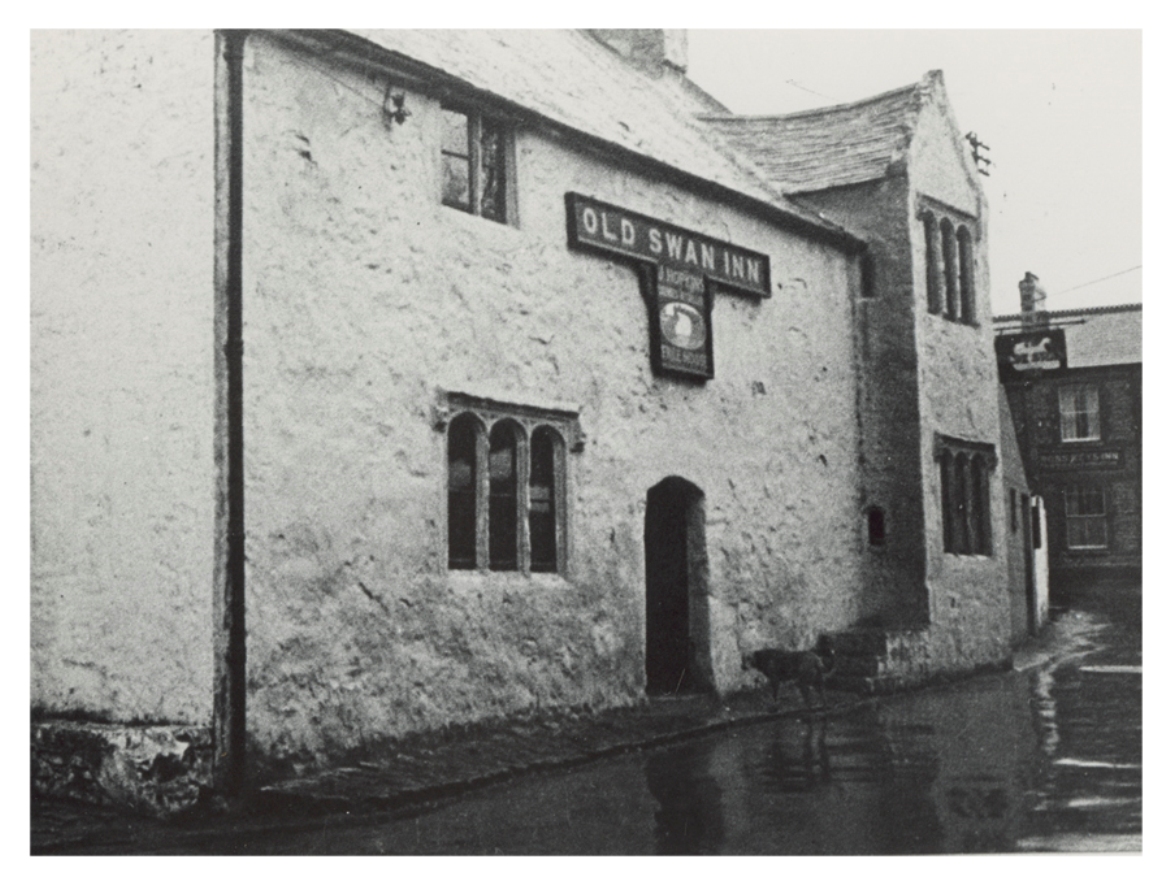
The “Swan Inn” at Llantwit Major is another hostelry that owes its origins to piracy and smuggling. At one time, all 40 inhabitants of nearby Barry were thought to be involved in smuggling to some degree. At the end of the English Civil War, records show that the building was a shop.
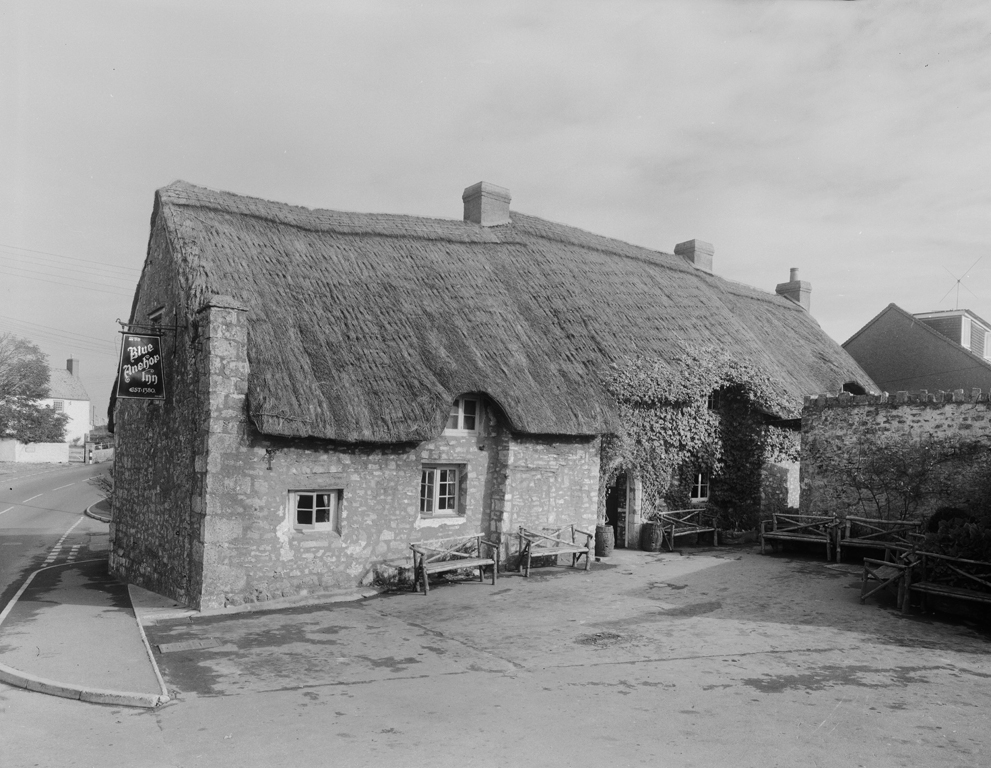
The well-known “Blue Anchor” dates from 1380, and was named after the blue mud in the nearby dock that would coat ships’ anchors. There is no truth in the story that a secret tunnel runs from pub to shore to facilitate the rampant smuggling activity that occurred here; that’s believed to be an anecdote invented by a Customs official to explain his inability to stop the illegal traffic.
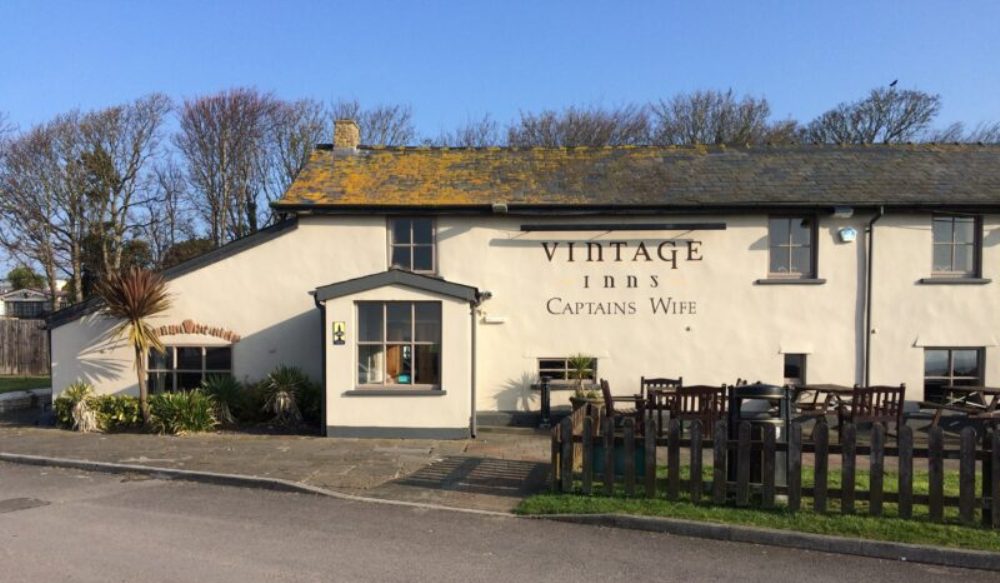
The “Captain’s Wife” at Swanbridge has at least three possible accounts involving couples to explain its name: each entails a wife and a ship’s master. The wife dies in all the tales!
Graham did say that Iolo Morganwg is suspected of fabricating many of the stories that embrace local pubs to increase custom. Every old pub must have at least one ghost.
Useful information was that the 303 bus route takes in most of the pubs listed in the talk; don’t drink and drive!
Steve Monaghan