VICTORIAN PARKS IN CARDIFF
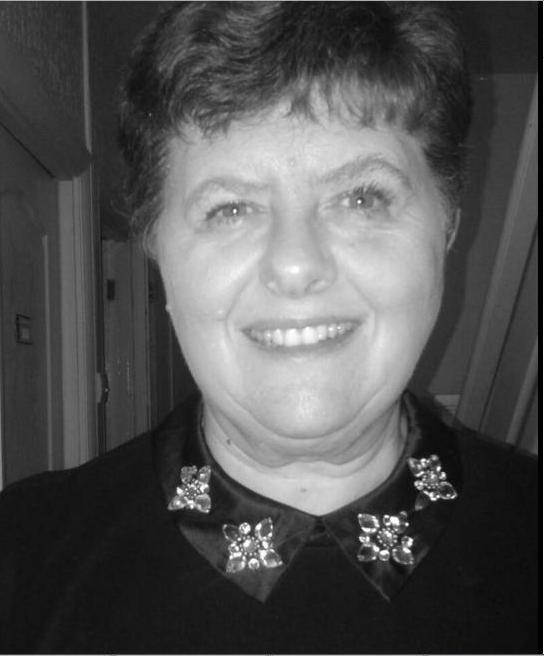
Rosie James the speaker Rosie James, Strategy and Development Manager for the Cardiff Parks’ Service, coped admirably with the loud extraneous noise on her visit in October 2022 to Cowbridge u3a History Group – the roof was being replaced on the Lesser Hall of the Town Hall.
Unusually, for a talk on Victorian Parks, Rosie began in 1610, with a map of the small town of Cardiff, showing land enclosed between two mill streams not far from the castle. This area, which was to become the site of Cardiff Arms Park, was used in 1837 for the celebrations marking the 18th birthday of Princess Victoria, which 4 - 5,000 attended.
In the 1770s, the renowned landscape designer ‘Capability’ Brown embarked upon an ambitious plan to landscape the grounds of Cardiff Castle. Medieval buildings and walls were demolished during the work. In 1780, the grounds were opened to the public at weekends.
The Bute Estate purchased land around the castle and some of this was used to create Sophia Gardens, Cardiff's first park for public use, which opened in 1858. It remained privately owned until 1947, when gifted to the City of Cardiff, along with the Castle, by the Bute family. Together with Bute Park, Pontcanna Fields and Llandaff Fields, it remains part of a large open space in the centre of the city.
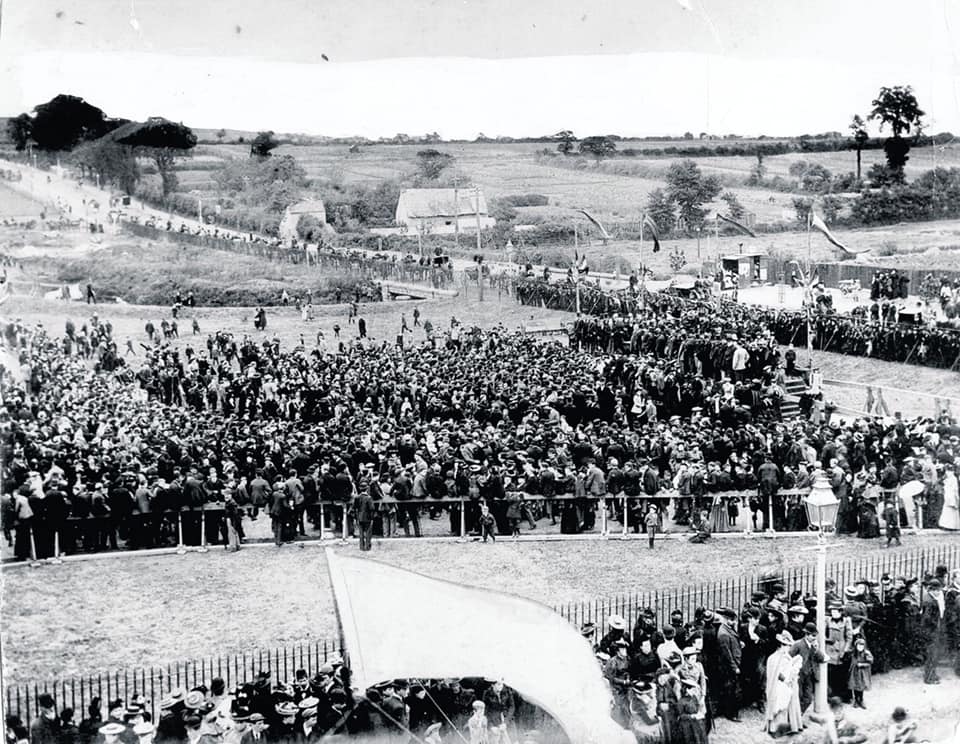
The official opening of Roath Park In 1873, a committee was established to find suitable land for the inhabitants of Roath to use for recreation. After an unfruitful approach to the Bute family, Lord Tredegar was contacted regarding the provision of land. It seems local rivalry between the nobility then prompted the Marquis of Bute to donate a site described as a “malarial bog” (i.e. poor, less-valuable land) for the creation of a park, which was to be named Roath Park, despite not actually being in Roath!
The park, with a wild garden, botanical gardens and a spectacular lake more than a mile around, was officially opened in June 1894 in a grand ceremony. The lake was fed by a stream from Caerphilly Mountain, so the water wasn’t black with coal dust, unlike many of the local rivers and water courses.
Cathays Park was first laid out as a private park in 1812 by the first Marquis of Bute. After numerous attempts to buy the land, it was finally purchased by the Council in 1898, both to provide recreational space and to obtain land on which to place a new town hall. Some of the former parkland was used for public buildings, such as the City Hall, the Law Courts, the National Museum and Cardiff University buildings. Three garden areas were also created: Alexandra Gardens, Gorsedd Gardens and Friary Gardens.
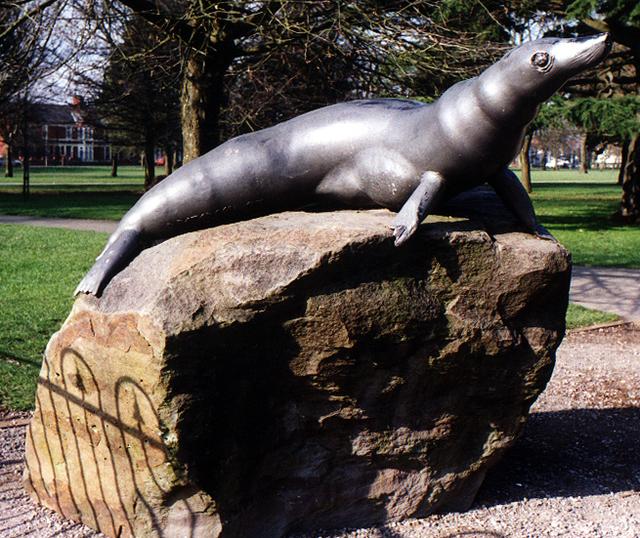
Billy the seal in Victoria Park Victoria Park, probably best known as home to Billy the seal, was built on land formerly called Ely Common. It was opened in 1897 and named in honour of Queen Victoria in her Diamond Jubilee year. The plan of the park has been likened to the shape of a Welsh harp.
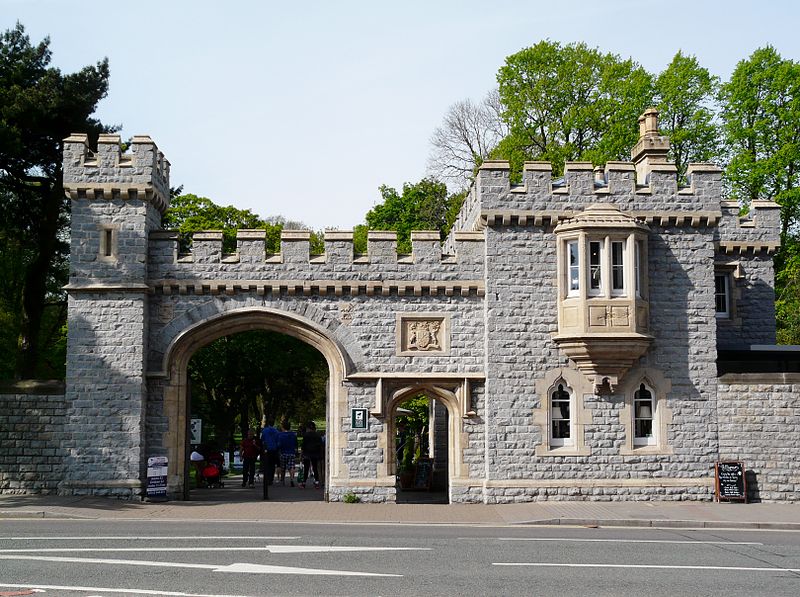
The Pettigrew Tea Rooms Have you ever wondered why the Pettigrew tea rooms in the lodge at the entrance to Bute Park were so named?
One family shaped the development of Cardiff's parks for nearly half a century. The Pettigrew family, through William Pettigrew and his younger brother Andrew, held the position of Head Gardener, Parks Superintendent, and subsequently Chief Parks Officer, continuously from 1891 to 1936. Their father, also called Andrew Pettigrew, had laid out the private gardens of Cardiff Castle for the Butes.
An excellent illustrated website telling the history of Cardiff Parks can be found at www.cardiffparks.org.uk
Steve Monaghan